
English


T: +86-572-6200777
Mr. Xin: +86-17357227212
Mr. Xin: +86-17357227212
Mr.Li: +86-13706256441
Building 31, Tianneng Chain Innovation Industrial Park, Meishan Town, Changxing County, Huzhou City, Zhejiang Province


Learn how heat-resisting H13 glass fiber filter paper maintains 99.95% HEPA efficiency at 350°C in pharmaceutical and semiconductor cleanrooms.
Compare coarse filter paper vs HEPA media. Learn how proper pre-filtration staging protects final filters, lowers energy costs, and extends system life.
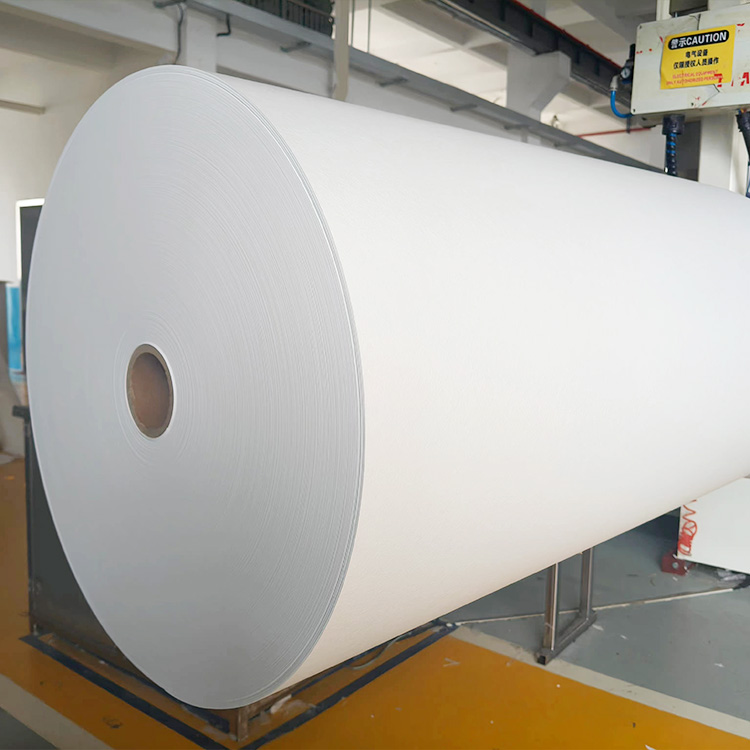
Optimize paint booth airflow and ensure EPA compliance with F6 glass fiber filter media. Learn how to achieve flawless automotive finishes.

Guide to selecting boron-free ULPA glass fiber media for semiconductor cleanrooms. Learn about U15+ efficiency, energy savings, and compliance.


