
English


T: +86-572-6200777
Mr. Xin: +86-17357227212
Mr. Xin: +86-17357227212
Mr.Li: +86-13706256441
Building 31, Tianneng Chain Innovation Industrial Park, Meishan Town, Changxing County, Huzhou City, Zhejiang Province

Views: 0 Author: Site Editor Publish Time: 2026-06-29 Origin: Site


In extreme-heat industrial environments, standard HEPA filtration quickly fails under thermal stress. This sudden mechanical breakdown risks catastrophic cleanroom contamination or massive product rejection. Engineers cannot afford sudden particle bypass when baking sensitive components. Standard H13 filters handle ambient environments and temperatures up to 80°C reliably. However, specific high-stakes manufacturing processes demand much more resilient materials. They require media capable of maintaining EN 1822-certified 99.95% efficiency for MPPS at continuous temperatures exceeding 250°C or even 350°C. Regulatory bodies strictly monitor these exact sterilization cycles. This comprehensive guide breaks down the underlying material science and core applications of these specialized filtration materials. We will explore strict engineering criteria for evaluating heat-resisting H13 filter paper to ensure complete regulatory compliance. Finally, you will learn practical implementation steps to maximize operational safety.
Material limitation: Standard synthetic or ePTFE media melts at high temperatures; genuine heat-resistant H13 media relies on specialized micro-glass fiber matrices and advanced binders.
Critical applications: Essential for pharmaceutical filtration (depyrogenation) and microelectronics filtration (wafer processing ovens).
Evaluation criteria: Sourcing decisions must weigh tensile strength, binder volatility (off-gassing), and operating pressure drop alongside raw temperature limits.
Operational risk: Proper "burn-in" protocols are mandatory during implementation to prevent initial particle shedding and binder smoke in clean environments.
We must first define the baseline classification. H13 classification dictates 99.95% efficiency for 0.3-micron particles. The industry refers to this metric as the Most Penetrating Particle Size (MPPS). "Heat-resisting" upgrades the physical thermal tolerance of the filtration media itself. It protects the operational integrity of the cleanroom.
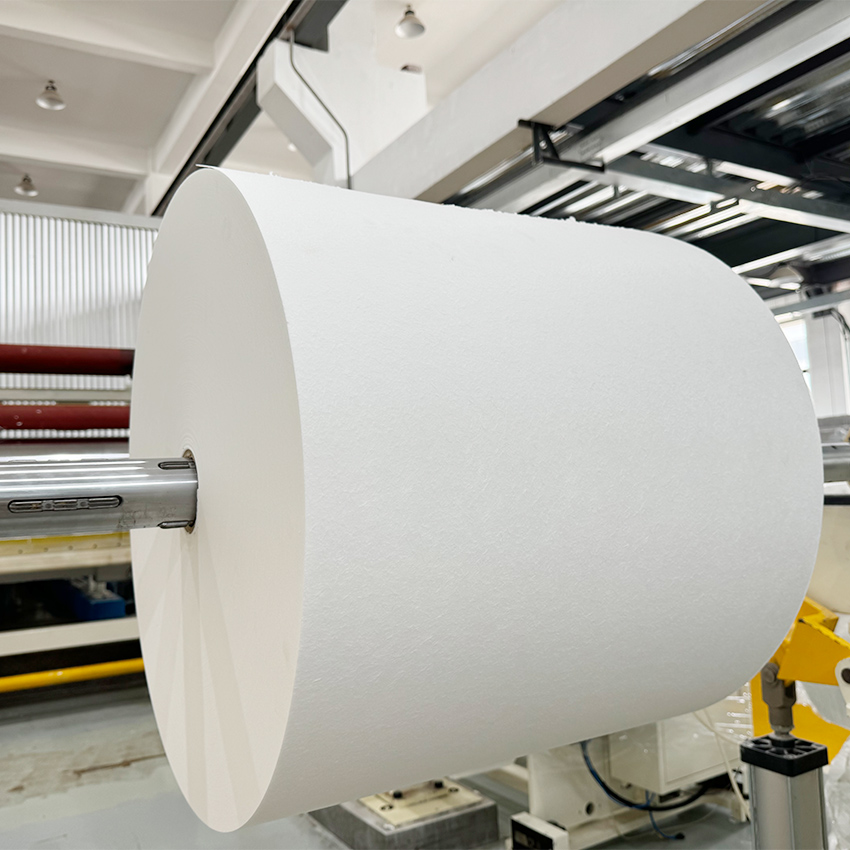
We must examine the critical transition from standard blends to pure micro-glass matrices. Standard polymer matrices simply cannot survive intense thermal loads. Manufacturers specifically engineer H13 glass fiber paper using 100% borosilicate micro-glass fibers. This inorganic material naturally resists melting. It maintains total structural integrity when exposed to extreme oven heat.
You must also consider the vital role of high-temperature binders. These chemical agents hold the delicate glass matrix together securely. They prevent the micro-fibers from separating under high air velocity. Engineers typically utilize acrylic or silicone-based binders for these exact applications. These advanced binders secure the fibers without fully combusting at 300°C. They do off-gas initially during installation. However, they leave behind a highly stable structural matrix.
Standard polymers warp heavily under moderate thermal stress. They lose their applied electrostatic charge rapidly. Most melt entirely above 100°C. Expanded polytetrafluoroethylene (ePTFE) offers excellent ambient filtration performance. However, it degrades mechanically under sustained thermal cycling. ePTFE membranes shrink and tear when baked repeatedly.
Conversely, glass fiber relies strictly on proven mechanical filtration mechanisms. It does not rely on fragile static charges. You can trust mechanical interception to capture sub-micron particles reliably. These physical filtration mechanisms remain completely stable under extreme heat.
Filtration Mechanism Chart: High-Heat Stability | ||
Mechanism | Function in Borosilicate Media | Heat Stability Impact |
|---|---|---|
Interception | Directly blocks mid-sized particles riding airflows. | Unaffected by heat. Fibers retain rigid placement. |
Impaction | Traps heavy particles failing to navigate the matrix. | Unaffected by heat. Fiber mass remains constant. |
Diffusion | Captures erratic sub-micron particles via Brownian motion. | Improves slightly. High heat increases particle motion. |
Pharmaceutical manufacturers face a difficult problem. Vials and ampoules must be sterilized safely at 250°C to 350°C. They must simultaneously maintain strict ISO Class 5 cleanroom standards. Endotoxins and pyrogens often survive lower ambient temperatures. The extreme sterilization process destroys them effectively.
High-temperature H13 media provides the definitive solution. It ensures absolutely zero particulate bypass during the active sterilization cycle. Modern pharmaceutical filtration relies heavily on this specific barrier. It helps facilities meet strict FDA and cGMP compliance mandates. Manufacturers avoid devastating product recalls by preventing contamination inside the heated tunnel.
Semiconductor fabrication presents another severe thermal problem. Wafer baking and drying ovens require ultra-clean air at elevated temperatures. Airborne particles cause severe nanometer-scale defects on semiconductor wafers. Thermal processing steps often introduce internal oven contaminants.
Specialized heat resistant filter media acts as the ultimate solution. It prevents airborne dopants and particulate fallout from ruining the wafers. Precise microelectronics filtration demands zero outgassing after the initial burn-in phase. The filter actively traps shedding materials originating from the oven itself. This rigorous protection directly increases semiconductor wafer yield rates.
Aseptic packaging lines frequently use high-temperature air streams. High-temperature spray drying also requires pristine air intakes. Facilities must filter dangerous biological contaminants from hot intake air streams. Manufacturers use these specialized filters to protect powdered milk or sterile chemicals. The hot air evaporates moisture while remaining entirely sterile.
Procurement teams must look beyond simple temperature ratings. You must evaluate the physical properties of the media carefully. Weak media will fail during manufacturing or installation.
The base media must remain highly rigid. Filter manufacturers pleat the material using corrugated aluminum separators. The paper cannot tear at the sharp accordion folds. Weak media cracks during the intense pleating process. This tearing creates immediate bypass leaks. You must test the tensile strength across both machine and cross directions.
You must actively assess the risk of binder evaporation. High-quality high temperature HEPA media minimizes organic binders. This strategic reduction limits smoke and chemical odors during initial use. Excessive binder content causes heavy contamination in the cleanroom. Always request binder composition data before finalizing a purchase.
Evaluating the lifetime energy cost matters immensely. Thicker glass fiber matrices inherently increase airflow resistance. Balancing H13 particle efficiency with aerodynamic efficiency remains critical. You must size your HVAC blowers correctly to overcome this static pressure. A dense filter demands much more fan power to push air through.
Consistency in media thickness prevents dangerous velocity "hot spots." Uneven paper forces air aggressively through thinner sections. This increases local air velocity sharply. Particle breakthrough occurs precisely at these high-velocity zones. Strict manufacturing tolerances ensure uniform thickness across the entire media roll.
Evaluation Criteria Comparison | ||
Sourcing Criteria | Standard Media Characteristic | High-Temp Media Requirement |
|---|---|---|
Tensile Strength | Adequate for basic synthetic pleating. | High rigidity to resist sharp aluminum separators. |
Binder Composition | Standard glues. Melts rapidly. | Minimal acrylic/silicone. High thermal threshold. |
Pressure Drop | Low initial resistance. | Higher initial resistance due to dense glass matrix. |
Uniformity | Standard tolerances. | Ultra-strict tolerances to prevent velocity hot spots. |
Purchasing the correct media represents only the first step. You must implement strict operational protocols to prevent catastrophic cleanroom failures.
All newly installed filters require a controlled temperature ramp-up. You should increase system temperatures in conservative 50°C increments before operational use. This deliberate process safely off-gases residual binders. It prevents overwhelming the cleanroom environment with sudden smoke. A proper burn-in solidifies the internal filter structure completely. You must vent this initial exhaust air away from sensitive processes.
High-temp glass fiber remains inherently more brittle than standard synthetic media. Improper handling during filter assembly causes microscopic tears. Even minor physical impacts compromise the delicate fiber matrix. These unseen tears cause instant failures during DOP/PAO aerosol leak tests. Installers must handle the unboxed media with extreme care.
The raw filter paper is only as good as its frame. You must pair the media with compatible high-temperature materials. Ceramic sealants lock the paper into the frame securely. High-temp gaskets provide a leak-free seal against the metal housing. Common gasket materials include woven fiberglass or pure silicone. You must also demand rigid stainless-steel frames. Standard aluminum frames warp heavily under 300°C heat.
Engineering teams should follow a standardized shortlisting logic. This prevents costly mistakes during the procurement phase.
Step 1: Define continuous vs. peak temperature. Your facility might operate continuously at 250°C. However, it might experience brief thermal spikes reaching up to 400°C. You must source media rated specifically for the peak spike. Otherwise, a single temperature anomaly will melt the binders instantly.
Step 2: Require testing documentation. Demand EN 1822 test reports directly from the supplier. Crucially, these tests must occur after intense thermal cycling. A room-temperature test proves nothing about high-heat performance. The lab must bake the filter and then test its efficiency.
Step 3: Assess manufacturer track record. Prioritize suppliers boasting proven case studies. They should demonstrate clear success in strict regulatory environments. Pharmaceuticals and semiconductors demand zero margin for error. A reputable supplier will readily provide comprehensive validation documents.
Specialized heat-resisting media functions as a highly specific engineering material. It successfully solves severe thermal-regulatory conflicts in advanced manufacturing. You cannot substitute standard HEPA filters when operating depyrogenation tunnels or wafer ovens. The underlying borosilicate micro-glass technology ensures continuous mechanical filtration without melting.
Engineers and procurement teams must take immediate action. You should thoroughly audit your current high-temp filter lifecycle. Request updated media spec sheets highlighting exact binder composition and pressure drop values. Finally, initiate rigorous sample testing within your specific thermal parameters to ensure total compliance.
A: Typically, continuous operation is rated between 250°C and 350°C. Specialized configurations can withstand brief thermal peaks up to 400°C safely. You must verify these limits with the manufacturer based on your exact oven cycle times.
A: The mechanical filtration efficiency (99.95%) remains highly stable. However, pressure drop increases significantly as the filter loads with particles. Prolonged thermal cycling can also embrittle the media eventually. This requires strict preventative replacement schedules.
A: This remains a completely normal phenomenon. The organic binders holding the fibers together vaporize under initial heat. A documented "burn-in" or tempering phase is mandatory. You must complete this phase before exposing the process area to the filtered air.
A: No. Standard media and polyurethane sealants begin degrading rapidly above 80°C to 100°C. Exceeding this thermal limit compromises structural integrity quickly. This risks immediate contamination bypass and potential cleanroom shutdowns.
