
English


T: +86-572-6200777
Mr. Xin: +86-17357227212
Mr. Xin: +86-17357227212
Mr.Li: +86-13706256441
Building 31, Tianneng Chain Innovation Industrial Park, Meishan Town, Changxing County, Huzhou City, Zhejiang Province

Views: 0 Author: Site Editor Publish Time: 2026-07-11 Origin: Site


Hydraulic systems power modern industry. They execute heavy lifting safely and efficiently. Yet, maintaining peak performance requires impeccable fluid cleanliness. Specifying the correct filtration level often creates a frustrating operational dilemma. Maintenance teams must balance maximizing component lifespan against preventing premature filter clogging. They also want to avoid restrictive pressure drops across the circuit.
You should not frame this decision as a simple "finer is better" choice. Instead, approach it as a system-specific calculation. You base this calculation on component tolerances, fluid viscosity, and real-world operating conditions. Pushing oil through microscopic pores requires energy, and doing it incorrectly can starve your pumps.
This guide objectively evaluates the technical trade-offs of 10 micron vs 30 micron filter paper. We will help engineering and maintenance teams specify the correct industrial oil filter media to protect their unique hydraulic systems.
System Tolerance dictates the baseline: 10-micron filtration is typically required for high-pressure systems with sensitive components (servo/proportional valves), while 30-micron is standard for lower-pressure systems or gear pumps.
The "Absolute vs. Nominal" rule: A nominal 10-micron filter may perform worse than an absolute 30-micron filter; evaluating the Beta ratio of the media is non-negotiable.
Trade-offs are physical realities: Finer micron ratings exponentially increase pressure drop ($\Delta$P) and reduce filter lifespan if system contamination ingress is high.
Material matters: Upgrading to glass fiber filter paper over standard cellulose dramatically improves dirt-holding capacity and efficiency at the 10-micron level.
Understanding the actual physical scale of microscopic contamination forms the foundation of reliable hydraulic oil filtration. We measure these particles in micrometers, commonly called microns. One micron equals one-millionth of a meter.
To establish a physical scale, consider human biology. A single red blood cell measures roughly 8 to 10 microns across. A human hair spans about 70 microns. The naked human eye stops seeing individual objects around the 30 to 40-micron mark. Therefore, a 10-micron particle remains entirely invisible without magnification, while you might barely spot a 30-micron speck reflecting in a fluid sample.
These sizes correlate directly to typical hydraulic clearances. Dynamic clearances inside hydraulic pumps and control valves often measure between 1 and 10 microns. If a 15-micron particle wedges into a 5-micron dynamic gap, it gouges the metal surface. This abrasive action generates more metallic debris. A chain reaction of internal wear begins immediately.
Many buyers fall into a dangerous evaluation trap. They purchase filters based purely on the printed label. They see a micron rating of "10" and assume total protection. This assumption frequently leads to catastrophic failures.
You must understand the difference between nominal and absolute ratings:
Nominal Rating: This indicates the media captures approximately 50% of particles at the specified size. It represents an average or a rough estimate.
Absolute Rating: This guarantees the media captures 98.6% or more of targeted particles.
Industry professionals rely on the Beta ratio to verify absolute performance. We calculate the Beta ratio by dividing the number of upstream particles by the number of downstream particles. A Beta ratio greater than 75 defines absolute filtration. A poorly constructed nominal 10-micron filter will allow damaging debris to pass through, effectively performing worse than a high-quality absolute 30-micron filter.
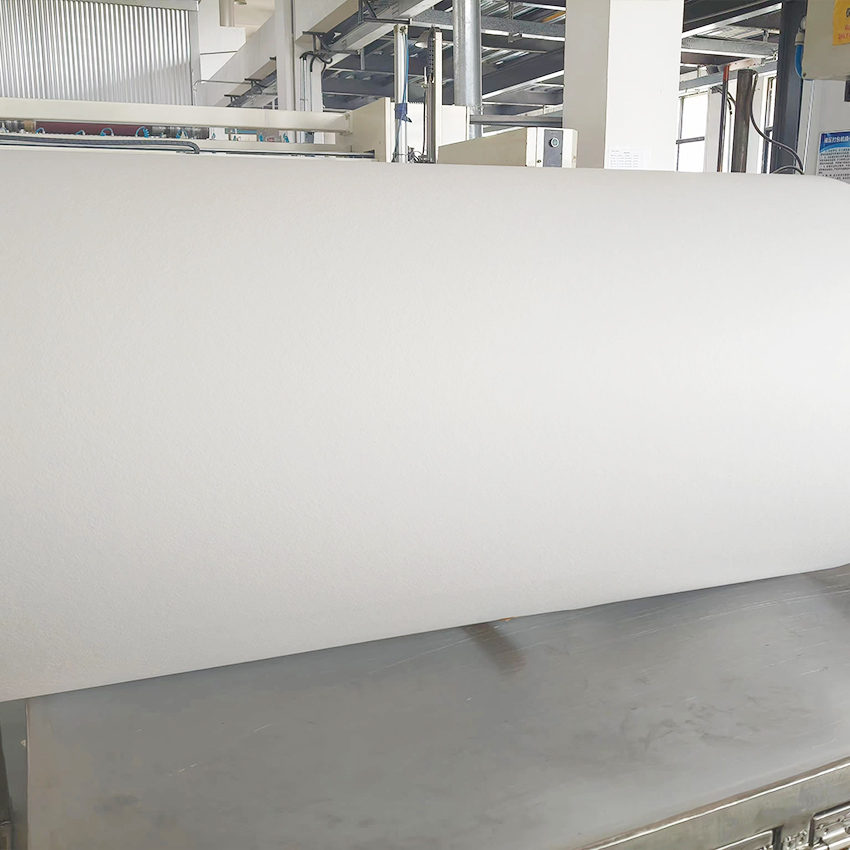
Filter performance relies heavily on base materials. Standard cellulose "paper" derives from wood pulp. It features irregular pore sizes and absorbs water, which causes the fibers to swell. Swollen fibers restrict flow and increase pressure. Furthermore, cellulose breaks down under severe pressure pulsations.
Conversely, glass fiber filter paper utilizes tightly woven synthetic strands. These uniform fibers create highly predictable pore structures. They do not absorb moisture. They withstand high differential pressures without tearing. If you require reliable 10-micron absolute filtration, glass fiber media is almost mandatory. It holds significantly more dirt and prevents pressure degradation.
You cannot specify a filter blindly. The specific hardware inside your circuit dictates your minimum cleanliness requirements. Different pumps and valves possess vastly different contamination tolerances.
Modern, high-performance systems demand rigorous fluid cleanliness. You must utilize 10-micron absolute media in several specific scenarios.
First, piston pumps operating at high pressures (exceeding 3000 PSI) require extreme protection. Clearances inside these pumps remain incredibly tight to maintain pressure. Tiny silt particles will destroy the swashplate and piston shoes.
Second, servo valves and proportional directional valves demand ultra-clean oil. These highly sensitive components are extremely susceptible to stiction. Silt measuring between 10 and 15 microns jams the valve spool. When the spool sticks, you lose precise control over your machinery.
Third, meeting strict ISO 4406 Cleanliness Codes often forces you into the 10-micron category. A target code like 16/14/11 means your system tolerates very few particles larger than 4, 6, and 14 microns. You cannot achieve this baseline with 30-micron media.
You do not always need surgical-grade cleanliness. Sometimes, a coarser element provides better overall system stability.
Gear pumps and vane pumps feature wider dynamic clearances. They easily tolerate fluid that would destroy a piston pump. For these robust components, 30-micron media provides adequate defense against large debris without restricting fluid dynamics.
Older, legacy equipment also benefits from 30-micron media. Upgrading an old system to high-efficiency filtration often causes unintended consequences. The dense media restricts flow, which might induce pump cavitation. Furthermore, systems moving highly viscous fluids at high flow rates naturally require larger pore sizes to prevent overwhelming resistance.
You must tie your specification directly to verifiable equipment protection. Choosing the right accuracy delivers reduced abrasive wear, prevents catastrophic pump failures, and significantly lowers fluid oxidation rates.
Component Sensitivity & Recommended Filtration Chart | |||
Component Type | Typical Clearance Range | Recommended Absolute Rating | Operating Pressure Sensitivity |
|---|---|---|---|
Servo Valves | 1 - 4 microns | 3 to 10 micron | Extremely High |
Proportional Valves | 2 - 6 microns | 10 micron | High |
Piston Pumps | 5 - 15 microns | 10 micron | High |
Vane Pumps | 10 - 20 microns | 10 to 25 micron | Moderate |
Gear Pumps | 20+ microns | 30 micron | Low |
Engineers cannot cheat physics. When you restrict a fluid pathway to trap smaller particles, you inherently change the system's operational dynamics. You must manage three critical performance trade-offs.
Restricting pore size from 30 to 10 microns significantly increases resistance to fluid flow. This resistance creates a pressure drop, noted as Delta P ($\Delta$P). The pump must work harder to push fluid through dense media. If the $\Delta$P becomes too severe, system efficiency drops, and heat generation spikes. You lose power to fluid friction.
Temperature profoundly impacts filtration. Cold hydraulic oil thickens considerably. We must analyze the risk of filter bypass during cold weather starts.
A dense 10-micron element resists thick oil. As pressure builds rapidly behind the element, the system triggers the bypass valve to prevent media collapse. The bypass valve opens, sending completely unfiltered fluid into your sensitive valves. A 10-micron element will trigger this bypass mode much faster and keep it open longer than a 30-micron element. During those critical cold minutes, your system runs entirely unprotected.
Finer filters blind over, or clog, much faster than coarse filters. A 10-micron element traps everything a 30-micron element misses, plus all the microscopic silt. Naturally, it reaches its dirt-holding capacity sooner.
You face a crucial return-on-investment consideration. You must weigh the cost of replacing 10-micron filters frequently against the potential expense of repairing a heavily scored hydraulic cylinder. If your environment features high contamination ingress, sticking solely to fine media will drain your maintenance budget rapidly through constant replacements.
A hydraulic circuit features distinct zones. You cannot use the same micron rating universally across all placement points. Pressure dynamics change radically throughout the loop.
Suction filters sit between the reservoir and the pump inlet. The pump relies on atmospheric pressure to push fluid into its chamber. It creates a slight vacuum.
You must strictly use 30-micron or larger media here. A 10-micron element creates too much restriction for a suction line. If the pump struggles to pull fluid, the pressure drops below the oil's vapor pressure. The fluid boils, creating microscopic bubbles. These bubbles violently implode inside the pump chamber. This phenomenon, called cavitation, destroys heavy-duty pumps in hours. Never place 10-micron elements on pump suction lines.
Pressure lines sit directly downstream of the pump. The fluid here travels under immense force. This location serves as the ideal zone for 10-micron absolute glass fiber filters. The pump provides ample force to push oil through the dense media. These filters act as a final barrier, protecting highly sensitive proportional and servo valves further down the circuit.
Return lines carry depressurized fluid back to the reservoir. This constitutes the flexible zone. You can utilize either 10-micron or 30-micron elements here, depending strictly on your system's back-pressure limits. Return line filter housings generally tolerate some restriction, but too much back-pressure can burst seals on downstream actuators.
Many modern setups utilize off-line kidney-loop filtration. These independent filter carts pull fluid from the tank, pass it through ultra-fine media, and return it. Kidney loops remove the burden from inline return filters, allowing you to run a safer 30-micron inline element while the cart handles the fine silt removal.
You can eliminate guesswork by following a structured engineering evaluation. Use this decision framework to finalize your specifications confidently.
Check Component Manufacturer Specifications: Always baseline your decision on the single most sensitive component in your hydraulic loop. If you run a robust gear pump but employ a delicate servo valve, the servo valve dictates your cleanliness requirement. Review the manufacturer's manual for recommended ISO codes.
Determine Required ISO Target: Align your chosen micron rating directly with the required ISO 4406 cleanliness target. If you need a 16/14/11 fluid code, you must specify absolute media in the 3 to 10-micron range.
Evaluate Operating Environment: Assess your airborne contamination levels. If you operate in highly contaminated environments like mining pits or agricultural fields, dirt ingress happens quickly. Consider a dual approach. Install a 30-micron primary return filter to catch large debris, and deploy an independent 10-micron kidney-loop filter cart to constantly polish the reservoir fluid.
Select the Media Material: Do not compromise on base materials. Specify glass fiber elements over standard cellulose for any critical applications. Glass fiber ensures predictable Beta ratios, maintains pore integrity under fluctuating pressures, and heavily extends operational lifespan.
Media Material Comparison Summary | ||
Feature | Cellulose (Paper) | Glass Fiber (Synthetic) |
|---|---|---|
Pore Structure | Irregular and inconsistent | Uniform and highly engineered |
Filtration Type | Typically Nominal (~50% capture) | Absolute (98.6%+ capture) |
Water Tolerance | Poor (Fibers swell and restrict flow) | Excellent (Does not absorb moisture) |
Pressure Resistance | Low to Moderate | Very High |
Choosing between 10-micron and 30-micron filtration is rarely about finding the universally "best" element. It revolves around identifying the most appropriate component for your system's mechanical tolerances and flow dynamics. Finer filtration protects delicate valves, but it increases pressure drops and clogging risks. Coarser filtration ensures excellent flow and prevents pump cavitation, but it permits abrasive silt to circulate.
Consider these action-oriented next steps to ensure optimal system health:
Audit your current machinery to identify the most contamination-sensitive valve or pump in your circuit.
Verify whether your existing filters possess nominal or absolute ratings by checking the manufacturer's Beta ratio data.
Upgrade to synthetic glass fiber media if your current cellulose filters exhibit signs of premature pressure drops.
Consult with a dedicated filtration specialist or run a comprehensive fluid analysis test to establish a solid cleanliness baseline before switching your micron ratings.
A: Generally no. Upgrading arbitrarily to a tighter pore size can cause excessive pressure drops. The increased resistance might trigger continuous bypass mode, pushing unfiltered oil into the system. Furthermore, placing a 10-micron element on the suction side will likely lead to severe pump cavitation and catastrophic failure.
A: Standard particulate media, whether cellulose or synthetic glass fiber, does not actively remove water. The micron rating strictly applies to solid particulates. To remove free or emulsified water, you must utilize specialized elements containing integrated water-absorbing polymers.
A: Cellulose is a natural wood-pulp product. It absorbs moisture, swells, and breaks down under high differential pressures, typically offering only nominal ratings. Glass fiber is a synthetic material. It easily handles higher pressures, resists water, offers absolute micron ratings, and holds significantly more dirt due to its uniform pore structure.
