
English


T: +86-572-6200777
Mr. Xin: +86-17357227212
Mr. Xin: +86-17357227212
Mr.Li: +86-13706256441
Building 31, Tianneng Chain Innovation Industrial Park, Meishan Town, Changxing County, Huzhou City, Zhejiang Province

Views: 0 Author: Site Editor Publish Time: 2026-06-14 Origin: Site


High-volume automotive refinishing demands absolute perfection from your facility. A single microscopic particle can ruin a flawless clear coat. You must then spend hours sanding and repainting. Subpar exhaust filtration causes these costly rework cycles directly.
Clogged filters overload exhaust fan motors with immense static pressure. When air backs up, overspray recirculates right back into the booth. This creates "fish-eyes" and surface contamination on fresh paint. You lose valuable time and materials instantly. Poor airflow also creates unsafe working conditions for your painters.
Upgrading to F6 glass fiber filter paper offers the definitive solution. It delivers maximum overspray retention while keeping laminar airflow stable. We will evaluate F6 fiberglass media against alternative materials. You will learn critical compliance metrics and discover practical implementation strategies. These steps will protect your equipment and elevate your finish quality.
Compliance & Safety: F6-rated fiberglass achieves the >98% overspray capture efficiency required by environmental regulations (e.g., EPA NESHAP 40 CFR 63) while offering natural UL-2 flame retardance.
Operational Economics: Progressive-density fiberglass prevents surface loading, protecting exhaust fans and extending the standard replacement cycle (typically 40-60 spray hours).
Defect Reduction: Properly sealed glass fiber filter paper prevents fiber shedding into the booth environment, maintaining the laminar airflow essential for flawless 2K paint finishes.
Procurement Strategy: Selection relies on matching filter format (rolls vs. pads) to booth configuration (cross-draft vs. downdraft pit) and verifying adhesive-treated backings.
Professional spray booths operate on a delicate balance of fluid dynamics. Clogged exhaust filters disrupt laminar airflow severely. Laminar airflow ensures air moves in straight, parallel lines over the vehicle. When exhaust filters block up, this clean airflow becomes turbulent. Overspray particles bounce off the walls. They circulate back onto the wet paint surface. Microscopic paint defects appear instantly. You must then polish or completely redo the panel. Effective paint booth filtration eliminates this bottleneck. It allows fans to pull air smoothly without straining the motor.
Regulatory compliance presents another massive operational hurdle. Modern collision repair centers generate significant Volatile Organic Compounds (VOCs) and Hazardous Air Pollutants (HAPs). Environmental agencies monitor these emissions strictly. F6 filters serve as your primary paint overspray arrestors. They capture solid particulates before they reach the exhaust stack. Implementing high-efficiency filtration keeps your emissions compliant with EPA standards. You avoid heavy fines and forced shutdowns.
Fire safety remains a critical concern in any refinishing environment. Volatile solvents accumulate quickly inside ductwork if filters fail. A stray spark can ignite this concentrated chemical vapor. Effective exhaust media stops flammable particulates at the floor or wall level. High-quality fiberglass prevents dangerous buildup inside your ventilation system. This proactive measure mitigates explosive risks and protects your entire facility.
Monitor your booth's positive pressure daily.
Inspect exhaust fan blades for paint buildup monthly.
Calibrate airflow sensors to detect minor pressure drops.
Choosing the right media determines your operational efficiency. Let us compare the most common materials used in the industry.
Dual-Density F6 Glass Fiber
This material dominates high-production shops. It features an open weave on the air-entry side. The exhaust side uses a denser, sealed skin. This progressive structure enables "depth loading." Paint particles penetrate deep into the pad. The filter holds significantly more paint before static pressure drops. It avoids "surface loading," where paint simply seals the front face. You get longer life and better airflow.
Expanded Paper / Cardboard Concertina Filters
Many shops use these as a budget-friendly coarse filter paper. They work extremely well for wet or liquid spray applications. The accordion shape creates turbulence that traps heavy paint droplets. However, they carry distinct trade-offs. Paper filters are physically bulkier. They increase your shipping costs dramatically. They also demand a larger storage footprint compared to compressed fiberglass rolls. They often require a secondary backing to catch finer particles.
Synthetic / Polyester Media
Manufacturers frequently use polyester for intake filtration. It performs beautifully for keeping dust out of the booth. However, using it for exhaust extraction presents challenges. Synthetic media costs more than standard fiberglass. It also lacks the natural, heavy-duty overspray holding capacity required in high-production environments. Polyester tends to surface-load quickly when exposed to sticky clear coats.
Material Type | Primary Mechanism | Key Advantages | Common Trade-offs |
|---|---|---|---|
Dual-Density F6 Glass Fiber | Depth Loading | High holding capacity, stable pressure | Requires careful directional installation |
Expanded Paper / Cardboard | Turbulent Inertial Separation | Cost-effective, great for liquid spray | Bulky, higher shipping and storage costs |
Synthetic / Polyester | Surface Loading | Excellent for dust intake | Expensive, clogs quickly on exhaust side |
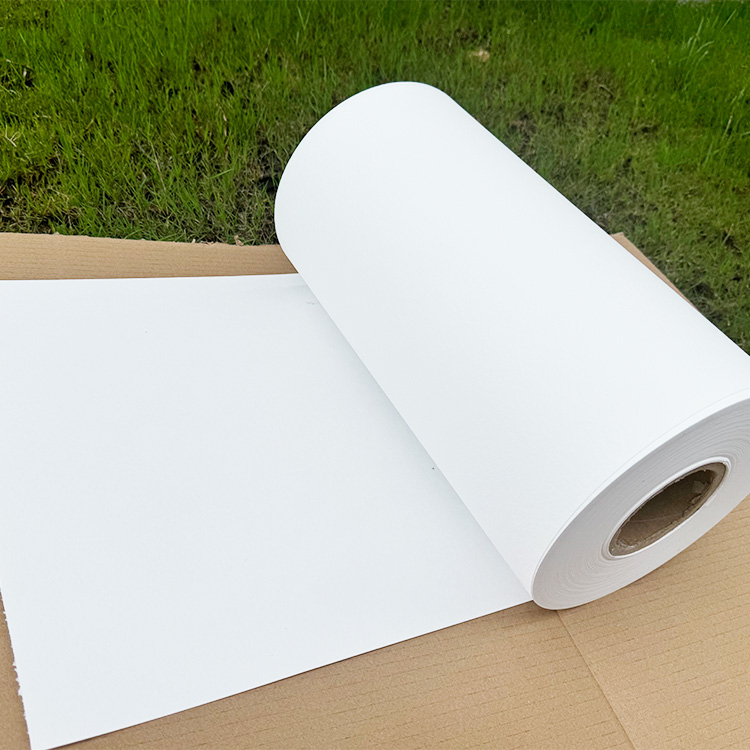
You cannot select filters based on price alone. You must evaluate media using strict technical dimensions. Spray booth filter media directly influences your final product quality.
Overspray Retention Efficiency
Your filter must explicitly capture 98% to 99%+ of particulate matter. The F6 rating serves as the baseline for professional collision repair. This roughly equates to MERV 12-15 for exhaust applications. High retention ensures paint dust never reaches the outside environment. It also prevents overspray from settling on nearby vehicles parked outside your shop. Consistent capture efficiency protects your community and your business reputation.
Structural Integrity (Preventing Fiber Migration)
Low-quality media sheds microscopic fibers into the air stream. These fibers land on wet paint panels. High-quality automotive spraying filter paper prevents this disaster. Manufacturers thermally bond the glass fibers. They also treat the backing with specialized adhesives. This locks the fibers in place. Loose strands cannot detach. Your clear coat remains pristine and defect-free. You spend zero time polishing out fiber contamination.
Airflow Maintenance (Static Pressure)
You must evaluate how the media impacts your booth’s exhaust motor. A good filter balances high particle capture with minimal initial resistance. We measure this resistance in Pascals (Pa). Low initial resistance means the fan motor works less. This keeps your daily energy costs predictable. When resistance climbs too fast, your motor burns out prematurely. Stable static pressure extends the life of your expensive capital equipment.
Ignoring the initial resistance specifications on vendor data sheets.
Buying unbonded media that sheds glass fibers into the workspace.
Using low-efficiency filters that fail EPA capture requirements.
Even the best media fails if installed incorrectly. Facility managers must establish rigid protocols for filter replacement. Relying on guesswork destroys paint jobs and ruins equipment.
Directional Installation Requirements
A frequent operational failure involves backward installation. Glass fiber rolls feature two distinct sides. The fluffy, open side must face the spray area. It catches the heavy paint droplets first. The dense, sealed skin must face the exhaust fan downstream. This skin traps the micro-particles and holds the filter together. Installing it backward causes immediate surface loading. The filter clogs in hours instead of days.
Follow these numbered installation steps carefully:
Clean the floor pit or wall plenum thoroughly before unrolling new media.
Identify the color-coded or skinned side of the roll.
Position the skin side facing the exhaust fan.
Secure the edges tightly with grates or tracking to prevent air bypass.
Data-Driven Replacement Cycles
You must eliminate visual inspections as a replacement trigger. Paint color makes a filter look dirty long before it actually clogs. Mandate the use of a manometer or magnehelic gauge in your shop. These instruments measure pressure drops accurately. Swap filters based on specific pressure readings. If you lack gauges, use industry baselines. Heavy-use floor filters require replacement every 40 to 60 spraying hours.
System Balancing
You cannot upgrade exhaust filters independently. High-efficiency exhaust filters must pair with appropriately rated intake filters. We recommend MERV 10+ for ceiling diffusion media. This creates a balanced, positive-pressure cleanroom environment. If intake filters restrict air more than exhaust filters, your booth develops negative pressure. It will suck dirt under the doors. Balancing both sides guarantees perfect layer application.
Component | Replacement Indicator | Average Timeframe |
|---|---|---|
Ceiling/Intake Media | Pressure drop or visual dirt shedding | 6 to 12 months |
Exhaust Floor Rolls | Manometer reading exceeds limit | 40 to 60 spray hours |
Pre-filter Pads | Heavy visual loading | 2 to 4 weeks |
Procurement teams face a dizzying array of options. You must specify filters based on your exact architectural needs. Buying the wrong format wastes labor and money.
Assessing Booth Architecture
Examine your airflow design first. Cross-draft and semi-downdraft booths pull air horizontally. They typically require pre-cut pads. You install these pads into door frames, wall plenums, or back corners. True downdraft booths operate differently. They push air straight down from the ceiling. They require robust floor pit filtration. Heavy overspray falls via gravity into these pits. Downdraft setups benefit most from thick, high-capacity rolls.
Format Selection: Rolls vs. Pads
You must evaluate labor costs against material costs. Bulk 30-inch by 300-foot rolls offer a significantly lower cost-per-square-foot. However, your technicians must measure and cut them manually. This takes time away from painting cars. Pre-cut pads cost more upfront. Yet, they reduce maintenance downtime to minutes. High-volume shops often prefer pads for speed. Smaller shops prefer rolls for material savings.
Evaluating Vendor Documentation
Do not accept marketing claims blindly. Demand proof from your suppliers. Shortlist vendors who provide independent laboratory test reports. Ask for the ASHRAE 52.1 overspray arrestance testing data. This document proves the 98%+ capture efficiency. Furthermore, verify clear UL-2 flammability certifications. An uncertified filter puts your entire building at risk. Good documentation ensures you buy genuine performance.
Request ASHRAE 52.1 test results.
Verify UL-2 flame retardant status.
Confirm adhesive treatment on the exhaust skin.
Ask for small sample rolls for baseline pressure testing.
Upgrading your facility to use F6-rated media changes your daily operations fundamentally. You eliminate the cascading failures associated with clogged airflow. Perfect exhaust extraction protects your clear coats from circulating debris. It also saves your expensive fan motors from early burnout due to high static pressure.
Facility managers should recognize this media not as a sunk cost, but as a preventative investment. You guard against environmental fines by exceeding the 98% capture threshold. You mitigate fire risks through certified flame retardance. Most importantly, you drastically cut down the labor hours wasted on sanding out paint defects.
Take action immediately to improve your paint line. Audit your current manometer readings today to establish a baseline. Review your local emission compliance requirements to ensure you meet all legal standards. Finally, request technical specification sheets or sample rolls from your supplier. Testing F6 media in your own booth will prove its superior holding capacity and stable airflow.
A: Replacement should be dictated by a manometer reading indicating restricted airflow. As a rule of thumb, high-production booths require changes every 40 to 60 spray hours.
A: The dense, bonded, or "skinned" side must face the exhaust fan to prevent fiber shedding and ensure proper depth-loading of paint particulates.
A: Yes, high-quality F6 fiberglass achieves the 98%+ capture efficiency required by EPA NESHAP 40 CFR 63 standards for hazardous air pollutant (HAP) reduction.
A: Standard fiberglass is naturally flame retardant (UL-2), but specific high-temperature oven applications (500°F - 900°F) require specialized aluminum-framed fiberglass filters rather than standard overspray rolls.
