
English


T: +86-572-6200777
Mr. Xin: +86-17357227212
Mr. Xin: +86-17357227212
Mr.Li: +86-13706256441
Building 31, Tianneng Chain Innovation Industrial Park, Meishan Town, Changxing County, Huzhou City, Zhejiang Province

Views: 0 Author: Site Editor Publish Time: 2026-06-18 Origin: Site


Reliable HVAC filtration acts as the beating heart of pharmaceutical manufacturing. Facilities producing oral solid dosage (OSD) forms face immense regulatory pressure. Sterile processing units carry even higher stakes. These environments cannot compromise on baseline air purity. They must strictly achieve GMP and ISO 14644-1 classifications. Dependable filtration makes this level of control possible. Manufacturers rely on rigorous engineering standards to protect products and personnel. However, the final filter assembly is only as strong as its core material. Selecting the exact base media dictates your long-term compliance. It also controls facility energy efficiency and overall operational safety. Specifying H13 glass fiber filter paper directly answers these critical demands. This highly stable media forms the true foundation of any compliant system. It ensures predictable performance day after day. You will learn how this material protects critical zones. We will explore material stability, evaluation metrics, and practical validation realities.
Material Stability: Glass fiber maintains mechanical filtration efficiency without relying on electrostatic charges, ensuring zero efficiency drop-off over time.
Compliance Baseline: H13 HEPA media provides ≥99.95% efficiency at the Most Penetrating Particle Size (MPPS), satisfying core pharmaceutical cleanroom regulations.
Evaluation Metrics: Procurement and engineering teams must evaluate tensile strength, dust-holding capacity, and initial pressure drop to accurately forecast lifecycle costs.
Validation Reality: Proper filter integration requires media that withstands pleating stresses and passes post-installation PAO/DOP leak testing.
Airborne contamination poses a severe threat in modern drug manufacturing. The EN 1822 and ISO 29463 standards define strict rules for air purity. Under these global frameworks, H13 HEPA media guarantees a minimum efficiency of 99.95%. This efficiency specifically applies to the Most Penetrating Particle Size (MPPS). These particles usually measure between 0.1 and 0.3 microns. They are notoriously difficult to capture. They include dangerous airborne pathogens and active pharmaceutical ingredient (API) dust. Capturing these micro-particles is non-negotiable for safe production.
This technical media acts as your primary defense line. It physically stops cross-contamination between different manufacturing suites. A well-designed pharmaceutical cleanroom relies heavily on this robust barrier. Without it, rogue APIs might drift into adjacent critical zones. This cross-contamination risks product integrity immediately. It also jeopardizes patient safety and invites severe regulatory penalties. You must physically isolate processes using reliable filtration media.
Regulatory bodies expect continuous proof of environmental control. The GMP Annex 1 guidelines mandate strict environmental monitoring procedures. Regulators require constant cleanroom certification from facility operators. Filter media reliability ties directly to this ongoing compliance burden. If the base material degrades, the entire room fails certification. Consistent media performance ensures you pass unannounced audits smoothly. It keeps your facility operational and fully compliant at all times. Plant managers sleep better knowing their media performs consistently.
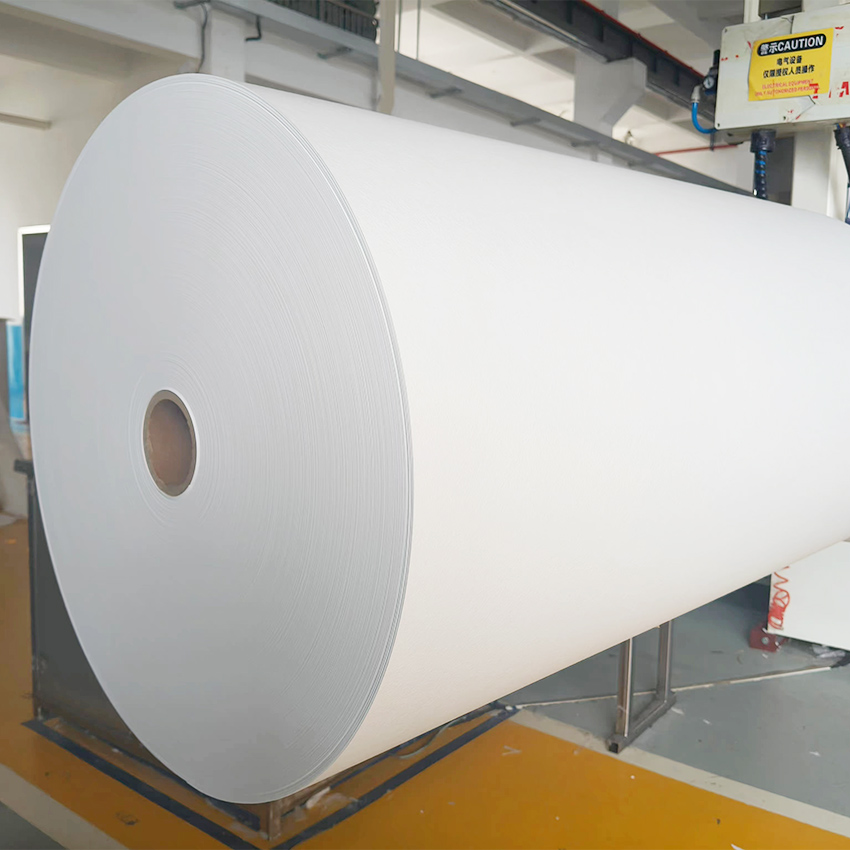
Understanding fundamental filtration mechanisms is vital for proper media selection. Premium glass fiber filter paper relies entirely on pure physical mechanics. Microscopic borosilicate fibers intercept particles directly as air flows. They capture contaminants via diffusion, interception, and strong inertial impaction. These three physical mechanisms guarantee consistent performance. External environmental conditions do not degrade this physical capture ability. The media performs reliably from day one until replacement.
Synthetic alternatives behave very differently under stress. Meltblown media often depends on an applied electrostatic charge. This static charge attracts microscopic particles initially. However, pharma environments expose filters to high humidity levels. They also introduce intense aerosolized chemicals during cleaning. Under these harsh conditions, synthetics rapidly lose their electrostatic charge. Their filtration efficiency plummets as the static charge dissipates. This creates a severe electrostatic degradation risk for the facility. It leaves manufacturing suites vulnerable to sudden, invisible contamination spikes.
Chemical and thermal resilience further separates these two materials. Facilities routinely use harsh decontamination agents between production batches. Vaporized Hydrogen Peroxide (VHP) serves as a standard industry sterilant. Glass fiber resists routine VHP exposure easily. It also withstands significant HVAC temperature fluctuations without warping. Synthetic blends frequently break down or shrink under similar chemical stress. They simply lack the molecular stability required for aggressive sterilization.
To clarify the distinct differences, review this performance comparison:
Performance Metric | Glass Fiber Media | Synthetic (Meltblown) Media |
|---|---|---|
Filtration Mechanism | 100% Mechanical (Impaction, Diffusion, Interception) | Electrostatic Charge + Basic Mechanical |
Efficiency Stability | Highly stable over entire operational lifespan | Drops significantly as static charge fades |
VHP Resistance | Excellent structural integrity and chemical defense | Prone to chemical degradation and melting |
Thermal Tolerance | High resistance to sudden temperature shifts | May warp or shrink under continuous heat |
Engineers must assess several strict parameters before approving new base materials. Initial pressure drop always remains a primary technical concern. High media resistance forces HVAC fans to work considerably harder. This drastically increases energy consumption over the unit's entire lifespan. Lower resistance media saves substantial facility power daily. It optimizes airflow volumes without sacrificing mandatory capture efficiency. Managing this pressure drop directly lowers long-term operational expenses.
Dust-Holding Capacity (DHC) strictly dictates your maintenance schedule. A higher DHC means the filter traps more physical mass. It holds more particulate matter before eventually clogging. This characteristic extends the mandatory replacement frequency safely. It minimizes costly cleanroom downtime effectively. Maintenance labor requirements drop significantly when engineers optimize the DHC. Fewer changeouts mean fewer risks of introducing personnel-borne contaminants.
Mechanical strength matters immensely during the actual manufacturing phase. Deep-pleat and mini-pleat processes impose severe physical stress on paper. High tensile strength prevents media fracturing during rapid folding. Rotary pleaters push fragile materials to their absolute limits. If the paper tears, the final assembled filter becomes completely useless. Manufacturers need robust paper to maintain high production yields.
Uniformity represents another incredibly crucial evaluation metric. Caliper consistency refers to maintaining even thickness across the roll. Predictable airflow relies completely on this uniform fiber distribution. Uneven media creates turbulent air pockets downstream. Laminar flow profiles require perfectly consistent base materials. Unidirectional airflow fails if the media thickness varies unpredictably.
Focus deeply on these core criteria during your evaluation process:
Initial Pressure Drop: Directly influences daily HVAC power usage and long-term energy bills.
Dust-Holding Capacity: Determines the operational lifespan before triggering a mandatory changeout.
Tensile Strength: Prevents tearing and micro-fractures during rigorous OEM pleating processes.
Caliper Consistency: Ensures smooth, predictable laminar flow across the entire filter face.
Selecting excellent media is only the very first step. You must also manage subsequent implementation risks carefully. Glass fiber is inherently more brittle than standard synthetic alternatives. This known handling fragility demands exceptionally strict protocols. Filter assembly lines need specialized tension controls for glass webs. Installation technicians must avoid touching the pleated media face. Even slight finger impacts can shatter the delicate microfibers. Such localized damage instantly compromises the entire finished unit.
Off-gassing presents another hidden, dangerous reality. Manufacturers use specific binders to hold the glass fibers together securely. Procurement teams must select these binders very cautiously. Inferior binders release volatile organic compounds (VOCs) continuously. VOCs can severely contaminate a sensitive clean air system quickly. You must insist on advanced, low-emission acrylic binders. These highly refined binders prevent harmful chemical releases into critical pharmaceutical zones. They protect the purity of the surrounding air.
Post-installation testing brings the ultimate technical validation. Every newly installed unit undergoes strict aerosol leak testing before use. PAO (Polyalphaolefin) or DOP tests confirm complete seal integrity. The selected media must withstand these heavy challenge aerosols gracefully. Inferior paper degrades physically under intense PAO exposure. It might even yield frustrating false-positive leak readings during certification. True premium media resists these testing agents completely. It maintains structural integrity and delivers highly accurate certification results.
Sourcing reliable materials requires a highly stringent supplier audit. You cannot rely on basic marketing claims alone. A structured, evidence-based vetting process protects your entire facility. Every resulting high efficiency air filter depends on this initial quality control. Poor raw materials ruin excellent manufacturing processes. You must dig deep into the supplier's actual production capabilities.
Follow these structured steps to evaluate global vendors confidently:
Demand Lot-to-Lot Traceability: Require a comprehensive Certificate of Analysis (COA) for every master roll. This document must verify precise efficiency and airflow resistance metrics.
Evaluate Customization Capabilities: The supplier must adjust basis weight (grammage) and thickness upon request. This ensures perfect physical compatibility with your specific OEM pleating equipment.
Inspect Testing Infrastructure: Shortlist vendors utilizing automated TSI or Palas testing rigs internally. These testing machines must comply strictly with EN 1822 standards. Verifiable performance data remains absolutely non-negotiable.
Assess Supply Chain Stability: Examine their packaging rigor very closely. Master rolls need robust protection against transit moisture and crushing impacts. Consistent global delivery prevents sudden manufacturing bottlenecks at your plant.
You must audit their internal quality management systems thoroughly. Request sample rolls for independent laboratory verification. Pleat a small test batch on your own facility equipment. Measure the pressure drop and aerosol penetration locally. Only approve specialized suppliers who easily pass this physical validation phase. This cautious approach eliminates costly surprises during full-scale production.
The total performance of a pharmaceutical clean air system relies entirely on its core components. Base media quality fundamentally limits the final unit's overall success. Subpar materials jeopardize entire manufacturing suites unnecessarily. Relying on verified, high-grade base media removes this operational uncertainty. It provides peace of mind for quality assurance teams.
Evidence-based procurement balances multiple strict operational demands effectively. It manages long-term energy costs proactively. It drastically reduces continuous compliance risks. It also extends replacement intervals for fewer disruptive maintenance shutdowns. Stable mechanical filtration ensures continuous environmental control over the facility. You build a much safer manufacturing environment from the ground up.
Technical buyers should take immediate action today. Reach out to highly qualified media suppliers directly. Request detailed material samples and comprehensive batch testing data. Begin physical validation trials on your own pleating equipment soon. Rigorous material selection firmly secures your cleanroom's future performance.
A: The operational lifespan typically ranges from 3 to 5 years. Actual duration depends heavily on existing pre-filtration efficacy. Maintaining a robust pre-filter routine significantly extends the final HEPA media life. The specific cleanroom ISO class also impacts longevity. Continuous versus intermittent HVAC operation plays a major role in total dust loading over time.
A: Yes, it provides excellent chemical resistance. Borosilicate glass fibers are inherently stable against harsh sterilants. When paired with standard pharmaceutical-grade binders, the media easily withstands Vaporized Hydrogen Peroxide. Unlike many synthetic blends, glass fiber will not degrade, warp, or lose filtration efficiency during routine cleanroom decontamination cycles.
A: Pressure drop dictates how much energy the system consumes. High pressure drop creates significant air resistance. This forces the HVAC motor to work much harder to maintain required airflow. Increased motor strain directly causes elevated operational energy costs. Lower resistance media optimizes airflow efficiently and minimizes daily facility electricity expenses.
A: No, it does not shed when manufactured correctly. Proper OEM filter manufacturing prevents physical damage to the media. High-quality, low-emission binders securely lock the microfibers in place permanently. This ensures the media itself never becomes a contamination source, maintaining strict compliance within the sensitive pharmaceutical environment.
