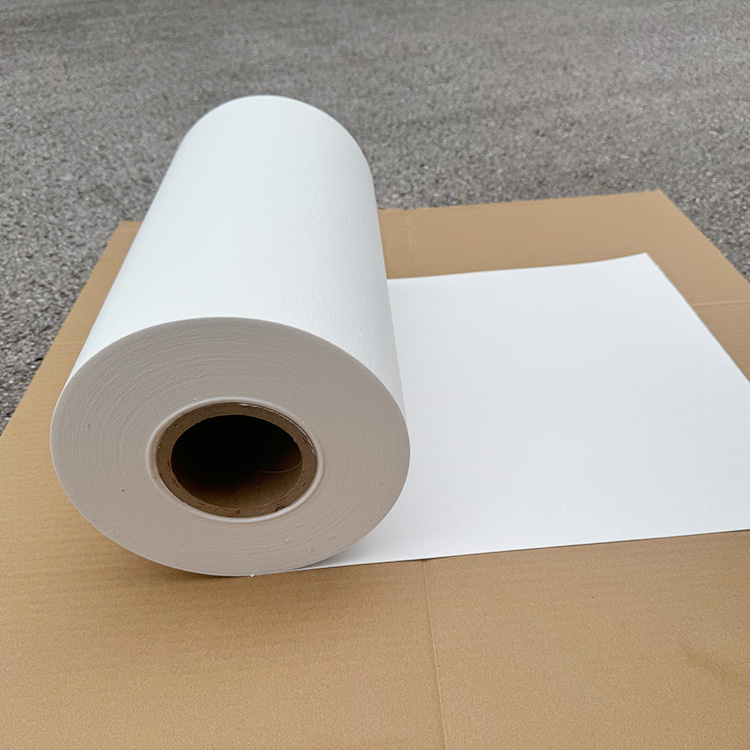
Premature loading of terminal H13 and H14 filters severely disrupts critical environments. It drives up replacement frequency and forces unexpected system downtime. Expensive terminal units degrade rapidly when directly exposed to primary airstreams. Implementing robust pre-HEPA filtration acts as a strategic shield. It effectively extends the operational lifecycle of these delicate components. Facility managers constantly face the challenge of balancing stringent air purity requirements against soaring energy demands.
This guide provides engineering and procurement teams an objective, specification-driven framework. We will explore how to evaluate and select the right materials based on performance and regulatory compliance. You will learn the exact technical parameters needed to avoid overworking blower motors. By understanding the mechanical properties of advanced filtration materials, you can implement a reliable interception strategy. Let us examine the critical factors driving modern air purification success.
Key Takeaways
H11 glass fiber media acts as a critical protective barrier, capturing ≥95% of MPPS (Most Penetrating Particle Size) to extend terminal HEPA filter life.
Evaluating media requires balancing filtration efficiency against pressure drop to avoid excessive HVAC energy consumption.
Unlike synthetic alternatives, glass fiber maintains consistent mechanical filtration without relying on electrostatic charges that degrade over time.
Standard compliance (EN 1822 / ISO 16890) and batch-to-batch consistency are non-negotiable criteria for cleanroom prefilter applications.
The Role of H11 Media in a Pre-HEPA Filtration Strategy
Terminal HEPA and ULPA filters are highly sensitive and costly components. Facilities use them to maintain sterile conditions in cleanrooms, laboratories, and manufacturing floors. Exposing these terminal units directly to primary airstreams leads to rapid dust loading. This continuous particle bombardment causes immediate pressure spikes across the HVAC system. You will experience reduced airflow and compromised room pressurization.
Positioning H11 filter media upstream serves as a heavy-duty interceptor. It captures sub-micron particulate long before it reaches the terminal units. This intermediate layer acts as a sacrificial barrier. It absorbs the bulk of the environmental contamination. The media traps fine dust, aerosols, and airborne microbes effectively. Facility operators rely on this interception method to protect the delicate internal structures of H13 and H14 filters.
A successful H11 implementation significantly alters maintenance schedules. It reduces terminal filter replacement frequency by two to three times. You keep overall system energy costs stable because the terminal filters remain unobstructed for longer periods. Upfront material investments in intermediate filtration quickly pay off. They prevent catastrophic pressure drops and reduce emergency maintenance interventions. Your system runs smoothly, maintaining steady airflow volumes year-round.
Critical Technical Specifications to Evaluate
Selecting the right material requires rigorous technical evaluation. You cannot rely on visual inspections alone. Engineering teams must analyze specific performance metrics to guarantee system compatibility.
Efficiency vs. Pressure Drop (Resistance)
Your chosen material must meet a minimum of 95% efficiency at 0.3 microns. We refer to this particle size as the Most Penetrating Particle Size (MPPS). Achieving this efficiency is non-negotiable for intermediate protection. However, high efficiency often brings high airflow resistance. You must demand low resistance media specifications. Track the initial pressure drop in Pascals at standard face velocities. High resistance overworks blower motors and drastically increases electrical consumption. A balanced material achieves high capture rates without choking the system.
Tensile Strength and Pleatability
Filter manufacturing involves intense mechanical stress. You must assess the material's mechanical strength in both the Machine Direction (MD) and Cross Direction (CD). Glass fiber is naturally brittle. Manufacturers must formulate the media with specialized binders. These binders allow the material to withstand deep or mini-pleating processes. Poorly formulated media will suffer from micro-tearing at the folds. Even microscopic tears completely ruin the efficiency rating. Ensure your supplier guarantees high pleatability.
Basis Weight and Thickness
Engineers correlate basis weight (measured in g/m²) and caliper (thickness) with Dust Holding Capacity (DHC). A higher DHC means the filter can trap more particles before requiring replacement. You use these metrics to forecast the operational lifespan of the installation.
Specification
Target Range
Impact on Performance
Efficiency (@ 0.3μm)
≥ 95%
Determines MPPS capture capability.
Initial Pressure Drop
100 - 150 Pa
Directly impacts blower motor energy usage.
MD Tensile Strength
> 1.5 kN/m
Prevents breaking during high-speed pleating.
Basis Weight
60 - 80 g/m²
Dictates physical density and dust capacity.
Glass Fiber Air Media vs. Synthetic Alternatives
Engineers frequently debate the merits of different material compositions. We must acknowledge transparent assumptions upfront. Synthetic meltblown media is often cheaper. It is also less prone to handling damage during assembly. Polymeric fibers stretch and flex easily. Many procurement teams initially favor synthetics due to these apparent advantages.
However, synthetic materials carry significant hidden risks. They rely heavily on electrostatic charges to capture particles. This charge depletes rapidly after installation. Exposure to humidity, aerosols, and fine dust neutralizes the electrostatic field. Once the charge dissipates, the actual efficiency drops drastically. A filter rated at 95% on day one might perform at 60% just weeks later. This hidden failure exposes terminal HEPA filters to massive contamination.
Glass fiber air media provides strictly mechanical filtration. It utilizes a dense physical matrix of microscopic fibers. Particles become trapped through interception, inertial impaction, and diffusion. The efficiency remains perfectly constant. It does not degrade regardless of humidity fluctuations or aerosol exposure. Time in service does not alter its capture capability.
Furthermore, glass possesses superior chemical and thermal stability. Polymeric synthetics melt or degrade in high-temperature environments. They react poorly to chemically volatile aerosols. Glass fibers withstand harsh industrial conditions easily. They offer peace of mind in unpredictable manufacturing environments.
Comparison Chart: Performance Retention
Feature
Glass Fiber
Synthetic (Meltblown)
Filtration Mechanism
Strictly Mechanical
Mechanical + Electrostatic
Efficiency Stability
Constant over lifespan
Degrades as charge dissipates
Chemical Resistance
Excellent
Poor to Moderate
Handling Brittleness
High (requires care)
Low (highly flexible)
Navigating Testing Standards and Compliance
Marketing claims often obscure actual technical capabilities. You must navigate strict testing standards to verify product performance. Industry frameworks ensure you get exactly what you specify.
The EN 1822 and ISO 29463 standards define high-efficiency particulate air filtration. Verify the manufacturer tests for true E11 or H11 classifications. They must use standardized aerosol challenges like DEHS or PAO. These liquid aerosols simulate the most difficult particles to capture. If a manufacturer only provides tests using coarse dust, their claims are invalid. You need data proving sub-micron capture rates under standardized airflow conditions.
It is crucial to understand the ISO 16890 cross-reference. Many commercial buildings upgrade to a cleanroom prefilter standard. An H11 rating aligns closely with high-tier ISO ePM1 ratings. ISO 16890 measures efficiency against urban particulate matter. When transitioning from standard commercial HVAC to critical environments, crossing these standards helps set expectations. It proves the material can handle the finest municipal pollutants.
Always audit the supplier's documentation. Instruct your buyers to request independent laboratory reports. Demand raw MPPS batch-testing data. Do not rely on glossy marketing brochures. Authentic manufacturers readily provide certificates of analysis for every roll. Thorough documentation prevents substandard materials from entering your supply chain.
Common Implementation Risks and Handling Pitfalls
Even premium materials fail if mishandled. Implementing high-efficiency interception requires rigorous procedural control. You must address several common industry pitfalls to ensure success.
Industry skepticism often surrounds the risk of fiber shedding. Critics argue brittle fibers break off and contaminate the downstream air. You must address this by specifying proper binder formulations. High-quality manufacturers use advanced acrylic or PVA binders. These chemical agents lock individual fibers firmly in place. Properly bound matrices present zero shedding risk under standard operating pressures.
Manufacturing damage represents another major vulnerability. Filter assembly stages like pleating and potting require precision. Poor handling during these steps creates micro-leaks. A single micro-leak instantly degrades an H11 rating down to a standard commercial grade. Assembly technicians must calibrate pleating blades perfectly. They must ensure potting compounds seal the edges completely without cracking the material.
Consider moisture vulnerability as well. Glass fibers resist many harsh conditions seamlessly. However, excessive liquid moisture causes severe problems. Standing water leads to media blinding. The water droplets fill the microscopic pores, completely blocking airflow. If left unsupported in high-humidity airstreams, the structural failure of the pleats can occur. Always ensure upstream humidity controls function correctly before installation.
To avoid these risks, implement strict protocols:
Inspect incoming material rolls for transit damage or crushed edges.
Calibrate manufacturing equipment to handle brittle matrices gently.
Monitor relative humidity within the HVAC ductwork continuously.
Conduct post-assembly leak testing on finished filter units.
Shortlisting Logic: How to Vet a Media Supplier
Choosing the right manufacturing partner dictates your long-term success. A methodical vetting process separates reliable partners from inconsistent vendors. You need strict shortlisting logic.
Always require sample validation before placing bulk orders. Request H11 glass fiber media roll samples. Run in-house pleating trials. Test the pressure drop on your own equipment. Laboratory data provides a baseline, but actual machine performance reveals the truth. Check how the material responds to your specific potting compounds. Ensure it folds cleanly without shedding.
Evaluate the supplier's supply chain traceability. You need consistent lot-to-lot performance. Inquire about their raw material sourcing. Do they track their glass wool origins? Can they trace a finished roll back to the exact batch of chemical binder used? Transparency ensures you do not receive varying quality across different shipments.
Finally, look for deep customization capabilities. Off-the-shelf products do not always fit custom system constraints. Premium suppliers adjust basis weight upon request. They can tweak binder content to meet specific custom pleat depths. If your system requires exceptionally low resistance, a good partner will engineer a lighter basis weight while maintaining the MPPS capture efficiency. Prioritize vendors acting as engineering partners rather than mere order fulfillers.
Conclusion
Selecting the right pre-filtration materials requires a careful balance of decision-making. You must weigh upfront material costs against long-term operational savings. Protecting your terminal HEPA units fundamentally stabilizes your entire cleanroom infrastructure. By choosing superior interception layers, you minimize system downtime and drastically reduce overall energy use.
We recommend prioritizing mechanical consistency above all else. Verified standard compliance guarantees you receive the protection you paid for. Demand complete transparency from your suppliers regarding binders, tensile strength, and batch testing.
Take action today by upgrading your procurement protocols. Request comprehensive technical data sheets (TDS) from prospective vendors. Order evaluation roll samples to conduct your own pleating trials. Consult directly with filtration engineers to develop custom specifications tailored to your exact airflow constraints. Robust preparation ensures pristine air quality.
FAQ
Q: Can H11 glass fiber media be washed and reused?
A: No. Glass fiber is strictly single-use. Washing destroys the physical matrix of the fibers and ruins filtration integrity.
Q: Is fiber shedding a safety risk in commercial HVAC systems?
A: High-quality, properly bound glass fiber media presents minimal shedding risk under standard operating pressures. It is safe for commercial use when manufactured to ISO/EN standards.
Q: What is the typical lifespan of an H11 cleanroom prefilter?
A: Lifespan depends entirely on environmental dust loading, face velocity, and upstream pre-filtration (e.g., G4/F7 filters). It typically ranges from 6 to 12 months in standard industrial applications.
Q: How does low resistance media impact operating costs?
A: Lower initial and operational pressure drops mean HVAC fans require less electrical power to push air through the system, significantly reducing lifetime energy costs.
With the background of “Dual Carbon” and the vision of “New Materials for ECO”, Meco (Zhejiang) New Materials Co., Ltd.(“MECONM”) was established in 2022 and located in Huzhou City, Zhejiang Province.
CONTACT US
Tel:+86-572-6200777
Email:
colinli@meconm.com Add:Building 31, Tianneng Chain Innovation Industrial Park, Meishan Town, Changxing County, Huzhou City, Zhejiang Province