
English


T: +86-572-6200777
Mr. Xin: +86-17357227212
Mr. Xin: +86-17357227212
Mr.Li: +86-13706256441
Building 31, Tianneng Chain Innovation Industrial Park, Meishan Town, Changxing County, Huzhou City, Zhejiang Province

Views: 0 Author: Site Editor Publish Time: 2026-07-22 Origin: Site


In midstream and downstream oil and gas operations, suboptimal separation constantly threatens efficiency. It leads to equipment fouling, unexpected downtime, and off-spec products. Operators simply cannot afford these continuous disruptions. Transitioning from legacy cellulose or standard synthetics to glass fiber separator media requires careful evaluation. You must analyze process conditions and fluid compatibility precisely. Relying on outdated filtration systems introduces unnecessary risks to delicate downstream equipment.
This article provides a technical framework for process engineers and procurement teams. We will explore how you can evaluate, specify, and shortlist optimal industrial filtration solutions. You will learn to navigate micron ratings, assess structural integrity, and understand strict industry testing standards. Our goal is to ensure you consistently choose highly reliable media for critical hydrocarbon processing. Proper selection protects your infrastructure and maximizes operational stability.
Performance vs. Pressure Drop: High-efficiency glass fiber filter paper balances superior dirt-holding capacity with manageable differential pressure (ΔP), critical for extending maintenance intervals.
Application Specificity: Media selection must be explicitly matched to the process stream—whether liquid-liquid coalescing in refineries or removing aerosolized lube oil in gas compression.
Standardization Matters: Evaluating media against recognized industry parameters (e.g., ISO, API-aligned performance expectations) ensures verifiable reliability over vendor marketing claims.
Glass fiber matrices must robustly resist compression. They face flow surges regularly in active process streams. High-viscosity events heavily challenge their structural integrity. You need to thoroughly assess how the media performs under differential pressure (ΔP). If the matrix collapses, bypass occurs instantly. Bypass sends harmful contaminants straight downstream. A robust matrix actively maintains its pore structure. It ensures consistent fluid treatment. We always recommend monitoring ΔP trends. Rapid pressure spikes usually indicate structural stress. Strong media withstands these spikes easily. It protects downstream assets from sudden contamination events.
Move beyond nominal ratings immediately. Nominal ratings often offer vague performance promises. They do not guarantee performance under actual operational stress. We strictly require absolute ratings for critical systems. You should demand multi-pass test data from your vendors. This data proves actual aerosol and particulate capture efficiency. Beta ratios provide absolute mathematical certainty. A Beta ratio of 1000 means 99.9% of targeted particles get captured reliably. You must rely purely on this quantitative data. It provides true performance visibility. Do not accept marketing claims over hard laboratory evidence.
You must evaluate the resin used in glass fiber filter paper carefully. Binders physically hold the delicate glass fibers together. Aggressive process fluids attack weak binders constantly. High hydrogen sulfide (H2S) environments degrade standard resins quickly. Amine and glycol streams act as highly aggressive solvents. If the binder dissolves, the media migrates immediately. Media migration ruins downstream equipment. You must explicitly specify chemically inert binders. They prevent catastrophic media degradation. Phenolic or specialized acrylic resins often provide superior chemical resistance.
Analyze vendor pleat designs very closely. Smart designs maximize effective surface area efficiently. They avoid pleat pinch entirely. Pinching happens when pleats fold together under high pressure. It causes premature blinding of the filter surface. Blinding reduces the usable life of the filter cartridge. Advanced geometries use dimples or corrugation. They keep pleats open evenly across the entire surface. This allows maximum fluid flow continually. It maximizes total dirt-holding capacity. Superior pleat geometry extends run times significantly.
Comparison Chart: Structural Evaluation Criteria | |||
Evaluation Metric | Standard Synthetic Media | Advanced Glass Fiber Media | Primary Benefit |
|---|---|---|---|
Beta Ratio Accuracy | Often inconsistent | Highly stable and verifiable | Guarantees particle removal efficiency. |
Binder Resistance | Low to moderate | Extremely high (custom resins) | Prevents media migration in aggressive fluids. |
Pleat Stability | Prone to pinching | Maintains structure via corrugation | Maximizes usable filter life. |
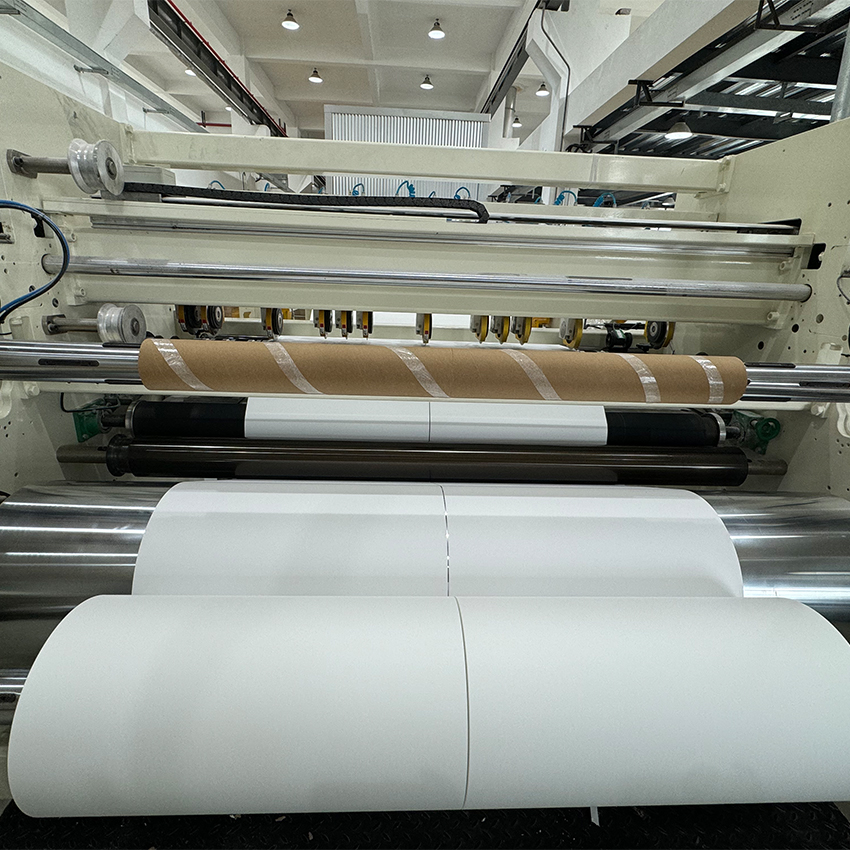
Amine systems require extreme internal cleanliness. They scrub sour gas streams effectively. However, they easily accumulate fine iron sulfides. Solid contaminants cause severe foaming inside the system. Foaming reduces scrubbing efficiency drastically. It damages expensive contactor towers. Oil refinery filtration relies heavily on premium media here. The media captures fine iron sulfides efficiently. It protects the entire sweetening process continuously. Clean amine solutions prevent costly process bottlenecks. You ensure stable operations by deploying efficient filtration at the rich amine inlet.
Final output must meet stringent global purity standards. Aviation fuel, diesel, and naphtha require dedicated polishing. Water haze ruins final product grades instantly. It leads to entirely rejected shipments. You must specify high-performance coalescing media. It removes suspended water droplets flawlessly. This ensures bright, clear products every single time. We see immediate improvements in quality control metrics. Clean products protect the refinery's market reputation. Polishing filters act as your final quality defense line.
Downstream catalysts represent massive financial investments. Scale and pipe rust destroy them prematurely. Pre-filtration captures these hard, damaging particulates. It acts as an essential physical defense layer. Extending the life of catalyst beds saves immense capital. You must deploy robust pre-filtration consistently. Engineers often place large particulate filters upstream of the reactors. They catch bulk dirt loads efficiently. This strategy prevents reactor bed plugging. It ensures steady differential pressure across the expensive catalyst.
Monitor differential pressure across amine filters daily to prevent sudden media collapse.
Specify water separation efficiency according to API 1581 standards for all aviation fuel polishing.
Install pre-filters upstream of fine coalescers to capture bulk solids and extend coalescer lifespan.
Schedule regular laboratory fluid analysis to identify changing contaminant profiles early.
Inlet streams carry heavy, unpredictable contamination. They contain entrained water and harsh wellhead chemicals. Liquid hydrocarbons arrive in sudden, large surges. You must evaluate coalescing efficiency rigorously. Removing these liquids before compression is absolutely mandatory. Gas processing filter paper handles this massive challenge well. It forces tiny droplets to merge aggressively. They grow large enough to drain away freely. This continuous process prevents severe compressor damage. Clean gas protects the rotating equipment perfectly.
Compressors discharge aerosolized lube oil constantly into the gas stream. This fine oil migrates into downstream pipelines quickly. It heavily coats heat exchangers and sensitive instrumentation. Capturing sub-micron aerosol requires exceptional structural capability. Glass fiber media excels at this direct interception. It uses natural Brownian motion principles effectively. The fine fibers trap tiny oil aerosols efficiently. You recover valuable lube oil easily for reuse. This keeps downstream systems perfectly clean and highly efficient.
Install high-efficiency coalescers directly downstream of the compressor discharge port.
Ensure the housing design allows rapid drainage of coalesced oil droplets.
Route the recovered lube oil back into the primary compressor reservoir.
Monitor the gas stream continuously for any signs of downstream oil carryover.
Glycol dehydration prevents dangerous hydrate formation in pipelines. The glycol absorbs water from the wet gas efficiently. However, the loop steadily accumulates fine particulate buildup. Liquid carryover contaminates the sensitive reboilers over time. Degradation occurs rapidly without proper, continuous filtration. We protect contactors using high-grade oil gas separator media. It actively captures the thermal degradation byproducts. It maintains glycol purity long-term. Clean glycol flows smoothly and prevents costly system shutdowns.
Do not accept verbal vendor claims blindly. Request verifiable laboratory data for every product always. This data must demonstrate efficiency under accurately simulated conditions. Map the data directly to relevant testing frameworks. ISO 16889 defines multi-pass testing protocols perfectly. Strict API standards guide aviation fuel handling safely. Your industrial separation media must meet these rigorous benchmarks. Compliance strictly guarantees long-term operational safety. It protects your facility from unexpected regulatory failures. Always keep these testing certificates on file.
Filters face extreme, sudden pressure surges occasionally. The media must exceed the maximum anticipated differential pressure. You must know your specific vessel design limits perfectly. Standard filters might collapse entirely at 50 psid. High-strength variants withstand much higher surges safely. A collapsed filter releases all trapped dirt instantly. This creates a massive, catastrophic contamination event. Ensure the collapse rating always provides an adequate safety margin. We recommend specifying at least a 20% safety buffer.
Refinery environments involve incredibly high stakes. Material traceability remains absolutely crucial for safety. Evaluate the manufacturer's batch-to-batch production consistency carefully. Request Material Test Reports (MTRs) for all critical components. Quality control ensures consistent fiber diameter across every batch. Consistent fibers provide entirely predictable filtration performance. We demand strict ISO 9001 compliance from all vendors. This certification protects the facility from defective media batches. It ensures accountability throughout the entire manufacturing process.
Accepting "nominal" micron ratings instead of demanding absolute Beta Ratio charts.
Ignoring the chemical compatibility of the media binder with specific process fluids.
Failing to request Material Test Reports for media deployed in highly critical process nodes.
Using media rated for standard differential pressures in high-surge compressor environments.
Successful deployment of filtration media relies on strictly aligning several critical factors. You must perfectly match process fluid properties to the specific media chemistry. Structural integrity actively prevents dangerous bypass under high differential pressure. Verifiable laboratory performance data comprehensively validates your engineering choice. Relying on advanced glass fiber solutions protects expensive downstream equipment continuously. It extends maintenance intervals and maintains strict product purity.
We encourage process engineers to act deliberately and methodically. Request a comprehensive technical consultation immediately. Conduct live pilot tests on your specific facility fluid streams. Establish firm baseline performance requirements long before initiating procurement. Proper upstream evaluation ensures long-term operational success. It minimizes risks and guarantees steady, uninterrupted hydrocarbon processing. Secure your systems today by specifying the correct structural media.
A: Glass fiber offers vastly superior fluid compatibility and structural integrity compared to cellulose. It captures sub-micron particles much more efficiently. In water-rich or aggressive chemical streams, cellulose quickly swells, softens, and degrades. Glass fiber remains structurally rigid. It maintains its precise pore size, ensuring consistent filtration even under harsh process conditions.
A: Standard operational change-out thresholds typically range between 12 and 15 psid. This varies slightly depending on the specific housing and process stream. You must monitor ΔP continuously. Changing filters before they reach their maximum threshold prevents severe media collapse. Prompt replacement ensures clean gas and protects rotating compressor equipment.
A: The glass fibers themselves handle amines and glycols well. However, the specific chemical binder holding the media together must be compatible. Standard binders often dissolve in aggressive amine or glycol streams. This causes catastrophic media migration. You must explicitly specify binders formulated to resist these aggressive solvent environments.
A: Never rely purely on nominal micron claims for critical applications. Always request detailed Beta Ratio charts. You should demand standardized multi-pass test results based on ISO 16889 protocols. This verifiable laboratory data proves the exact percentage of particles captured at specific micron sizes, guaranteeing actual operational performance.
