
English


T: +86-572-6200777
Mr. Xin: +86-17357227212
Mr. Xin: +86-17357227212
Mr.Li: +86-13706256441
Building 31, Tianneng Chain Innovation Industrial Park, Meishan Town, Changxing County, Huzhou City, Zhejiang Province

Views: 0 Author: Site Editor Publish Time: 2026-07-03 Origin: Site


Choosing air filtration solutions for sterile manufacturing goes far beyond standard procurement. You are making a critical risk-management decision for your entire facility. Subpar filters easily compromise aseptic environments in an instant. This sudden failure quickly triggers severe FDA 483 observations. It can also cause catastrophic batch losses worth millions. The stakes are incredibly high in the biomanufacturing industry. Your long-term reliability relies heavily on strict USFDA and cGMP compliance. It also depends entirely on manageable, predictable operational costs. These vital factors stem directly from the physical and aerodynamic parameters of your chosen filters. Understanding the exact specifications of the underlying materials ensures your facility runs safely. We will explore how to evaluate these technical components properly. You will learn the specific parameters required for continuous compliance and sustained energy efficiency. Implementing the correct technical formulations prevents unexpected production downtime. It ultimately protects your highly sensitive biological products from microscopic contamination through the right air filter media.
Media defines performance: The structural integrity of HEPA glass fiber media dictates resistance to handling damage and PAO (Polyalphaolefin) testing degradation.
Efficiency vs. Energy: Balancing H13/H14 filtration efficiency with low resistance HEPA media is critical for controlling HVAC energy expenditure.
Compliance is mandatory: Media parameters must align with ISO 14644-1, EN 1822 / ISO 29463 standards, and strictly support cGMP guidelines.
Batch consistency: Evaluating a supplier requires verifying lot-to-lot uniformity to ensure predictable pressure drops and leak-free validation.
Subpar materials trigger cascading operational costs rapidly. A failed integrity test halts production instantly. You face unscheduled HVAC downtime immediately. Technicians must perform extensive manual labor to replace compromised terminal filters. These sudden stops destroy carefully planned production schedules. Replacing filters in a sterile zone requires rigorous recertification protocols. This secondary validation burns massive labor hours. It also delays product batch releases. The financial penalty of a single failed filter often exceeds the original HVAC procurement budget entirely.
Aerodynamic performance affects your HVAC power draw directly. Pressure drop determines how hard your system works daily. High-resistance materials force fan filter units (FFUs) to overcompensate continuously. This constant mechanical strain reduces motor lifespan significantly. It also inflates everyday operational costs. Opting for optimized materials controls your baseline energy burn. Lower pressure drops translate directly into measurable electricity savings over a multi-year cycle. This approach extends the operational lifecycle of your entire air handling system.
Every biopharmaceutical cleanroom undergoes frequent, mandatory certification cycles. Technicians use severe aerosol challenges during these routine tests. Polyalphaolefin (PAO) remains the industry-standard testing agent. The underlying filter material must withstand repeated PAO exposure. Weak fibers suffer rapid liquid loading. They also experience severe structural degradation. You need highly durable materials to survive these checks. Failing to account for testing degradation means replacing filters prematurely. This creates unnecessary compliance risks.
The biopharma industry trusts micro-glass fiber completely. It offers an established track record spanning decades. It delivers exceptional chemical compatibility against harsh sterilizing agents. The material also provides strong fire retardance. Furthermore, it ensures highly stable filtration efficiency over time. Facilities rely on it to capture the most dangerous airborne pathogens safely. Unlike synthetic alternatives, glass fiber maintains its physical geometry under stress. It does not rely on transient electrostatic charges to trap particles.
Selecting the correct grade depends heavily on your specific cleanroom class. You must understand H13 H14 filter paper specifications thoroughly. H13 materials capture 99.95% of particles at the Most Penetrating Particle Size (MPPS). H14 materials elevate this capture rate to 99.995% at MPPS. You should choose H14 for ISO Class 5 or Grade A zones. These critical areas demand absolute sterility. H13 often suffices for less critical Grade C background environments. Proper specification prevents over-engineering and controls upfront material costs.
Modern engineering focuses heavily on lowering initial pressure drops. Manufacturers formulate new glass fiber blends to improve baseline airflow. They alter fiber density precisely to reduce resistance. Utilizing low resistance HEPA media offers massive operational benefits.
Trust and Transparency Note: This engineering approach comes with inherent trade-offs. Reducing fiber density can severely compromise tensile strength. Suppliers must use advanced binder technologies to maintain structural integrity. Always verify binder formulations when selecting low-resistance options. Weak binders lead to fiber shedding. Shedding causes immediate compliance failures.
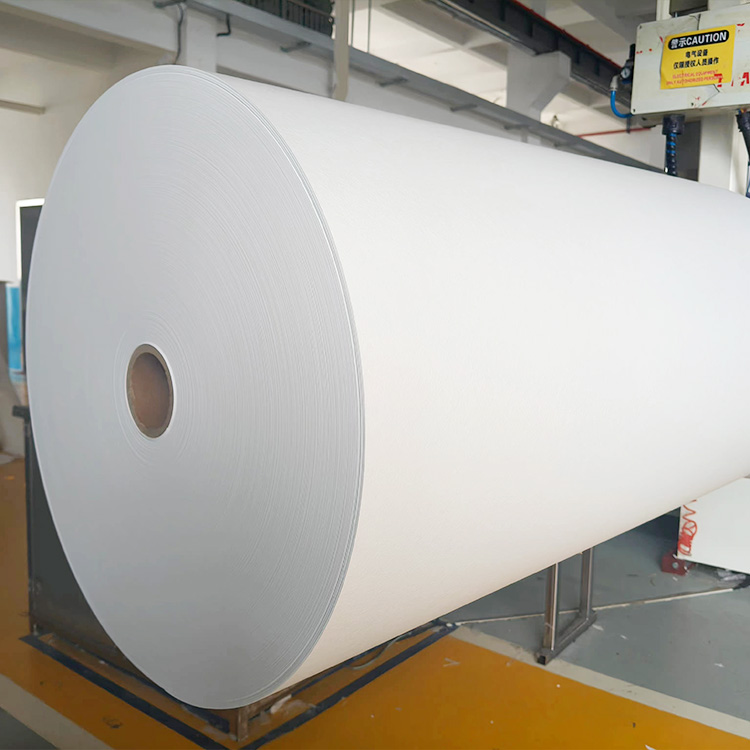
We define media performance at the 0.12–0.3 micron range. This span represents the Most Penetrating Particle Size. The material must ensure stable capture efficiency mechanically. It cannot rely on electrostatic charges. Electrostatic charges deplete rapidly in humid cleanroom environments. Mechanical capture guarantees long-term sterility. We look for deep-bed filtration characteristics. They capture particles effectively without causing rapid surface blinding.
You must specify acceptable Pascal (Pa) ranges carefully. Measure this metric at standard face velocities like 5.33 cm/s. Lower initial resistance extends the operational lifecycle directly. Your filters take much longer to reach the terminal pressure drop. This delay reduces your replacement frequency significantly. Procurement teams must request documented pressure drop curves from suppliers.
Implementation exposes materials to intense mechanical stress continuously. The material must survive the demanding pleating process. Both mini-pleat and deep pleat designs test fiber flexibility. It must also survive the physical shock of cleanroom installation. Pay close attention to Machine Direction (MD) tensile strength. Cross Direction (CD) tensile strength is equally important. Balanced strength prevents media tearing during filter pack assembly.
Basis weight uniformity is absolutely non-negotiable. Consistent grammage prevents weak spots across the entire filter face. These weak spots inevitably lead to micro-leaks. Micro-leaks reveal themselves disastrously during PAO validation. You must demand strict grammage tolerances.
Parameter | Standard Target (H14) | Why It Matters |
|---|---|---|
Efficiency at MPPS | ≥ 99.995% | Ensures sterile Grade A/B compliance. |
Initial Pressure Drop | ≤ 280 Pa (at 5.33 cm/s) | Reduces HVAC blower load and energy use. |
MD Tensile Strength | ≥ 2.5 kN/m | Prevents tearing during automated pleating. |
Grammage Uniformity | ± 5% variation max | Prevents localized micro-leaks during testing. |
You must map all media parameters to strict regulatory guidelines. cGMP Annex 1 dictates rigorous air quality expectations. USFDA aseptic processing guidelines demand absolute environmental control. The filter media forms the frontline defense against biological contamination. Every physical parameter must support these stringent rules. Regulators expect you to understand your filter specifications. They often request performance data during routine facility audits.
Industry professionals face a common pain point during validation. Liquid aerosols coat the filter fibers heavily during leak testing. This coating increases airflow resistance permanently. It can also mask tiny leaks temporarily. The chosen HEPA filter media must possess high aerosol loading capacity. It must maintain optimal performance post-validation.
Common Mistake: Procuring basic commercial materials for pharmaceutical environments. Basic materials degrade quickly after just two PAO test cycles. Pharmaceutical-grade materials handle repeated testing effortlessly.
Media binders must remain completely chemically inert. They must not release volatile organic compounds (VOCs). VOC off-gassing ruins controlled environments rapidly. It interferes with sensitive biological assays. The material must also resist shedding completely. Shed particulates easily contaminate highly sensitive biological products. We strongly recommend verifying the supplier's binder safety data sheets.
The supplier must manufacture the material in a highly controlled environment. Open factory floors introduce dust and debris into the fibers. This pre-loading of contaminants shortens the filter's lifecycle before installation. Always verify the supplier's own clean manufacturing conditions. High-quality media requires a pristine production line.
Consistent production is critical for cleanroom forecasting. Demand comprehensive Certificates of Analysis (CoA) for every single roll. You must look for tight tolerance limits.
Check pressure drop variations across multiple lots.
Verify filtration efficiency consistency.
Review tensile strength deviations.
High variability indicates poor manufacturing control. It leads to unpredictable HVAC performance across your facility.
You must audit how the supplier tests their materials daily. Automated filter testers like the TSI 3160 provide highly reliable data. Verify if their internal lab standards align with third-party certification bodies. Transparent testing protocols guarantee the reliability of the final product. Ask your supplier to demonstrate their internal quality control workflows openly.
Specifying precise filtration materials requires careful technical balancing. You must balance aerodynamic efficiency against mechanical durability. Strict regulatory compliance must guide every procurement choice you make. Your facility depends entirely on this crucial frontline defense.
Next Steps for Decision Makers:
Initiate a pilot evaluation program immediately.
Request extensive media samples from potential manufacturing partners.
Review the supplier's EN 1822 test reports meticulously.
Validate lot-to-lot consistency data thoroughly before committing to a cleanroom-wide deployment.
A: It features stricter efficiency minimums, requiring 99.995% capture at MPPS. The uniformity requirements are far more rigorous. It uses specific binder formulations to prevent shedding in aseptic environments entirely. Standard options lack this pharmaceutical-grade integrity and often fail cGMP compliance audits.
A: It reduces the aerodynamic load on HVAC blowers and FFUs directly. This reduction leads to measurable energy savings immediately. It also minimizes motor wear and extends the time between mandatory filter replacements significantly.
A: Yes. Oil-based aerosols load the filter over time. This loading increases the pressure drop permanently. High-quality HEPA glass fiber media is engineered with optimal pore structures. This maximizes liquid holding capacity and minimizes the resulting degradation during mandatory certification cycles.
