
English


T: +86-572-6200777
Mr. Xin: +86-17357227212
Mr. Xin: +86-17357227212
Mr.Li: +86-13706256441
Building 31, Tianneng Chain Innovation Industrial Park, Meishan Town, Changxing County, Huzhou City, Zhejiang Province

Views: 0 Author: Site Editor Publish Time: 2026-07-12 Origin: Site


Contamination inside heavy machinery carries incredibly high stakes. Sub-optimal filtration quickly leads to premature component wear. You then face disastrous, unplanned downtime across critical operations. Modern equipment requires precise, reliable protection mechanisms. Among these options, 30 micron glass fiber filter paper occupies a vital position in the filtration hierarchy. Engineers typically deploy it for high-viscosity fluids. It handles heavy particulate loads exceptionally well without clogging prematurely. Many industrial facilities also utilize it as a highly robust pre-filter. However, selecting the right media requires moving far beyond basic micron ratings. Buyers must evaluate the core structural integrity of the paper. You must also verify fluid compatibility and overall lifecycle costs. By focusing on these deeper technical metrics, you protect complex machinery effectively. The following sections explore how to assess these components and optimize your procurement strategy.
30 micron glass fiber offers a superior dirt-holding capacity and lower pressure drop compared to standard cellulose.
Selection must account for fluid viscosity, operating temperature, and chemical compatibility with specific industrial oils.
Verifying ISO multipass testing standards (e.g., ISO 16889) is non-negotiable for proving absolute efficiency (Beta ratio).
Mitigating media migration (fiber shedding) is the primary implementation risk when upgrading to micro-glass.
Industrial systems utilizing hydraulic, gear, and lube oils demand intense protection. These heavy fluids constantly experience sudden, aggressive pressure spikes. Effective industrial oil filtration requires media capable of surviving these dynamic surges. Weak materials degrade quickly under mechanical stress. This degradation causes fluid bypass conditions. Bypass events send destructive particulate matter directly back into sensitive equipment zones. Solving this problem requires fundamentally superior raw materials.
We must compare the structural advantage of glass fiber directly against traditional cellulose. Synthetic micro-fibers present uniform, engineered pathways for fluid flow. Conversely, standard cellulose consists of highly irregular natural fibers. These uneven natural fibers swell unpredictably upon moisture exposure. Swelling severely restricts flow and increases differential pressure. Micro-glass avoids this swelling phenomenon completely. The outcome focus becomes incredibly clear. You secure extended service intervals. You also guarantee highly predictable flow rates across diverse operating conditions.
Choosing the correct micron rating involves careful balancing. Tighter 5-10 micron filters often block flow when pushing thick fluids. This creates excessive initial pressure drops. Looser options at 50+ microns allow dangerous debris to pass unhindered. The 30-micron threshold represents an optimal sweet spot. You easily balance contamination control against necessary fluid flow efficiency. High-viscosity applications thrive under these specific balanced parameters.
Engineers constantly balance opposing physical forces during filter selection. Higher dirt-holding capacity significantly reduces your maintenance frequency. However, this increased capacity must never cause unacceptable initial pressure drops. High differential pressure triggers bypass valves prematurely. You must look for multi-layered composite structures when evaluating media. These advanced gradient designs maximize DHC safely. They trap smaller particles deep within the matrix while catching larger debris near the surface.
Industrial oil chemistry varies wildly across different sectors. You must match the binder resin of the glass fiber to your specific oil type. Standard resin binders perform perfectly well for basic mineral oils. However, aggressive synthetic fire-resistant fluids destroy incompatible binders quickly. Binder failure leads directly to catastrophic structural collapse. Maximum continuous operating temperature thresholds also matter greatly. Most high-quality micro-glass media handles 250°F (120°C) continuously. Always verify these thermal limits prior to bulk procurement.
Commercial suppliers sometimes advertise "nominal" 30-micron ratings. This marketing practice acts as a dangerous commercial trap. Nominal ratings merely suggest an average pore size. They provide zero guarantee regarding efficiency under dynamic stress. We strongly advise buyers to demand absolute ratings exclusively. A proper absolute rating delivers a Beta ratio of ≥200. Ideally, seek a Beta ratio of ≥1000 at 30 microns (β30(c) ≥ 1000). This ensures 99.9% of particles at 30 microns get captured.
Performance Comparison: Absolute vs. Nominal Ratings | |||
Rating Type | Efficiency Guarantee | Beta Ratio Expected | Risk Level for Heavy Machinery |
|---|---|---|---|
Nominal (30 Micron) | Roughly 50% - 70% | β < 10 | High (Allows critical bypass) |
Absolute (30 Micron) | 99.5% | β = 200 | Low (Standard industrial safety) |
Premium Absolute | 99.9% | β ≥ 1000 | Very Low (Optimal component protection) |
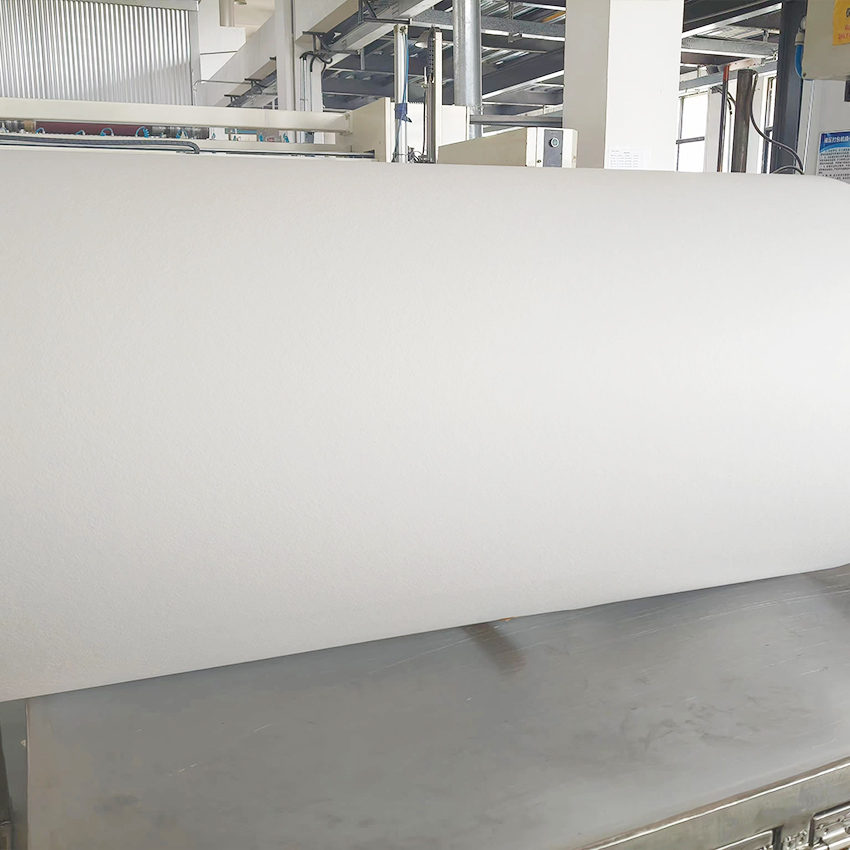
Subjective claims mean nothing without standardized laboratory validation. The ISO 16889 Multipass Test remains the global gold standard. We instruct buyers to request comprehensive test data from manufacturers. This specific test demonstrates exactly how the 30 micron filter media performs under continuous dynamic stress. It injects test dust repeatedly to simulate real-world conditions. Without this documented data, you cannot trust the published Beta ratios.
Environmental compliance represents another critical procurement layer. The EPA enforces strict guidelines regarding hazardous fluid disposal. Industrial operators must consider media incineration characteristics. Glass fiber burns fundamentally differently than organic cellulose. Cellulose reduces to a fine ash quite easily. Glass fiber melts into a slag-like substance at high temperatures. Note these environmental handling realities when designing your plant's waste management protocols.
Manufacturer transparency often separates premium suppliers from commodity vendors. Warn your procurement teams against vendors hiding technical details. A reliable supplier freely shares batch-to-batch consistency reports. They provide exact permeability metrics upon request. If a vendor hesitates to supply independent validation data, seek alternative sourcing partners immediately.
Upgrading your system requires anticipating real-world operational challenges. Cold start pressure surges present a massive risk. When machinery sits idle in cold environments, oil viscosity increases dramatically. Highly viscous oil hits the delicate filter pleats like a solid wall during startup. This impact creates an immediate risk of catastrophic media collapse. Specify the need for proper pleat support to counter this force. Epoxy-coated wire mesh backing prevents the pleats from folding under immense cold-start pressure.
Media migration remains a highly skeptical engineer's primary concern. Glass fibers possess inherent brittleness. High-frequency vibration can occasionally cause microscopic fibers to fracture. Downstream shedding happens when these broken fibers migrate into the clean oil stream. This shedding ruins tight-tolerance servo valves quickly. You prevent this by specifying media manufactured with bonded downstream scrims. A strong spunbond synthetic scrim locks loose fibers securely in place.
Retrofitting existing housings requires precise dimensional awareness. Upgrading from standard cellulose introduces spatial constraints. Glass fiber pleat packs run significantly thicker than thin paper equivalents. Because the material takes up more physical volume, fewer pleats fit into the same diameter housing. Ensure your new filter element maintains adequate surface area while perfectly matching internal housing dimensions.
Structural Comparison: Glass Fiber vs. Cellulose | ||
Feature | 30 Micron Glass Fiber | Standard Cellulose |
|---|---|---|
Fiber Structure | Uniform, synthetic micro-fibers | Irregular, natural wood pulp |
Moisture Resistance | Excellent (Hydrophobic) | Poor (Swells and restricts flow) |
Pleat Support Required | Yes (Wire mesh or heavy scrim) | Optional (Self-supporting generally) |
Dirt Holding Capacity | Very High (Depth filtration matrix) | Moderate (Surface oriented) |
Adopting a structured methodology eliminates guesswork during the procurement phase. Follow this framework to ensure you purchase the optimal glass fiber filter material for your facility.
Step 1: Define Baseline Fluid Parameters. Document the exact operating conditions first. Record the oil viscosity grades, maximum operating temperatures, and peak flow rates (GPM/LPM). Establish your target ISO cleanliness code required by the machinery manufacturer.
Step 2: Request Technical Data Sheets (TDS). Gather official documentation from your shortlisted suppliers. Compare their metrics rigorously. Look closely at air permeability scores, exact basis weight calculations, and Mullen burst strength minimums.
Step 3: Pilot Testing. Never commit to bulk purchases blindly. Recommend ordering sample rolls or sheets initially. Conduct rigorous pleatability testing on your specific machinery. Validate the real-world pressure drop before approving large-scale procurement contracts.
Step 4: Vendor Audit. Assess the supplier’s broader operational capabilities. Can they provide custom slitting services? Do they guarantee consistent lead times? Evaluate their global supply chain resilience to prevent sudden manufacturing delays.
Selecting 30 micron glass fiber filter paper represents a serious engineering decision. It should never be treated as a simple commodity purchase. Prioritizing core structural integrity yields the highest operational value. Elements like epoxy-coated pleat support and exact resin compatibility matter more than the lowest initial unit cost. Investing in premium absolute-rated media maximizes your industrial machinery uptime.
Take immediate action to review your current filtration specifications. Consult directly with a dedicated filtration application engineer regarding your specific oil profile. Request updated technical data sheets from your current vendors to verify their Beta ratios. Protecting your heavy equipment starts with demanding transparency and uncompromising material quality.
A: No. Glass fiber is inherently hydrophobic. Unlike natural cellulose, it does not absorb moisture or swell when exposed to water. You will need separate water removal technologies, such as coalescing filters or vacuum dehydration systems, to extract dissolved or free water from hydraulic oil.
A: The shelf life depends heavily on ambient storage conditions. The primary risk involves binder degradation, not the glass fibers themselves. High humidity and extreme storage temperatures weaken the resin binders over time. Stored in a climate-controlled warehouse, rolls typically remain viable for up to five years.
A: A mesh screen relies entirely on surface filtration, catching debris only on a single plane. Conversely, absolute-rated glass fiber uses depth filtration. It traps dirt continuously throughout a thick, multi-layered matrix. This provides vastly superior dirt retention and protects against irregular-shaped particles slipping through.
