
English


T: +86-572-6200777
Mr. Xin: +86-17357227212
Mr. Xin: +86-17357227212
Mr.Li: +86-13706256441
Building 31, Tianneng Chain Innovation Industrial Park, Meishan Town, Changxing County, Huzhou City, Zhejiang Province

Views: 0 Author: Site Editor Publish Time: 2026-06-27 Origin: Site


Industrial operations face continuous challenges when dealing with aerosolized lubricants and chemical emissions. In continuous-duty industrial applications like compressors, refineries, and petrochemical plants, inefficient oil-gas separation creates massive engineering headaches. You will quickly notice downstream equipment fouling, high energy penalties, and excessive maintenance downtime. The problem amplifies rapidly when conventional filter setups fail. Traditional cellulose or generic synthetic materials often buckle under extreme thermal and chemical stress. They simply cannot handle the continuous demanding industrial loads. Fortunately, specialized oleophilic glass fiber filter paper engineered from borosilicate microfiberglass offers a distinct operational advantage. This advanced material repels water while actively coalescing lubricants. This article will provide procurement engineers and system designers with an evidence-based evaluation of this media. You will learn how to move past basic specifications to analyze its real-world impact. We will explore how it drastically improves system efficiency, equipment reliability, and long-term economic performance without compromising safety.
Energy Efficiency: Optimized microfiberglass structures reduce pressure drop, directly lowering the power consumption of compressor systems.
Operational Stability: Unlike cellulose, glass fiber maintains structural integrity without swelling when exposed to moisture, resisting temperatures up to 500°C+.
Extended Lifecycle: High Dirt-Holding Capacity (DHC) and specialized oleophilic/hydrophobic surface treatments dramatically reduce media replacement frequency.
Predictable Performance: Separation efficiency scales predictably with flow rate adjustments through inertial impaction mechanisms.
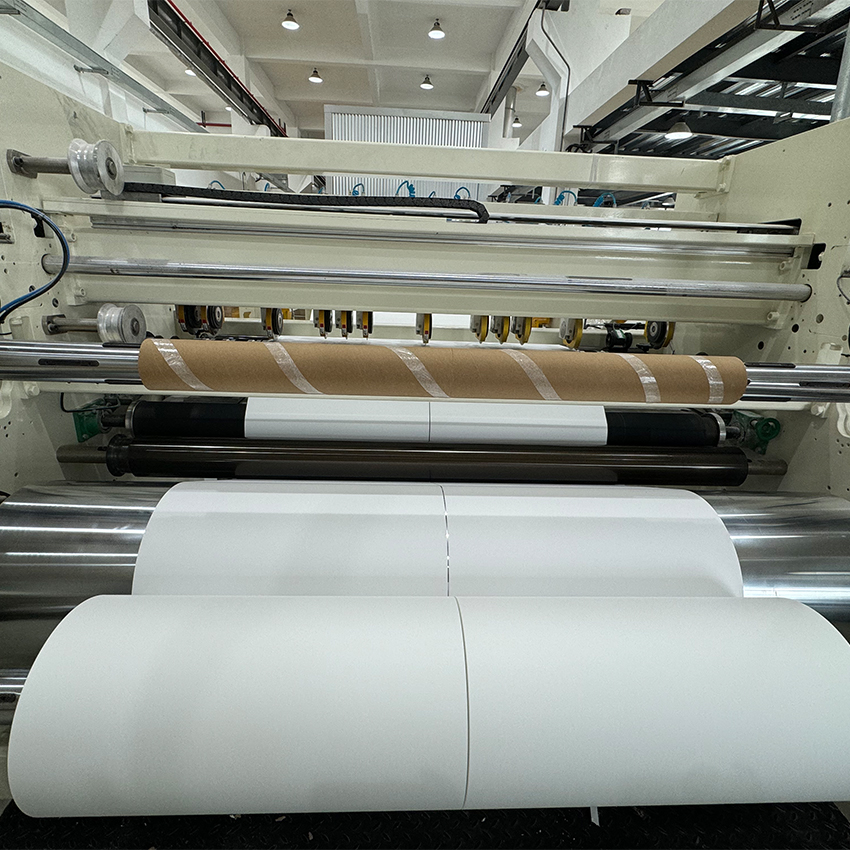
Manufacturers create this advanced media using a precise wetlaid process. They combine micro-fine borosilicate glass fibers with highly specialized resin binders. This specific manufacturing method builds a complex physical matrix. Engineers commonly call this a "tortuous path." The tortuous path forces incoming gases to navigate a microscopic maze. It easily intercepts and traps microscopic liquid droplets along the way.
Targeted surface treatments elevate these physical capabilities further. They allow the oleophilic filter media to actively coalesce oil droplets. Simultaneously, the hydrophobic treatments forcefully repel moisture. This dual action prevents severe pore-blocking. Industry professionals refer to this blockage as fouling. Untreated media often suffer from immediate fouling in damp environments.
Compare this directly to conventional cellulose filter paper. Cellulose has a very strict thermal limit. It tends to swell heavily when exposed to moisture. This swelling degrades the structural matrix and restricts essential airflow. It creates a domino effect of system failures. Therefore, fiberglass reigns supreme in heavy industries. You will find it serves as an incredibly reliable compressor separator media. It thrives consistently in high-stakes gas processing environments.
Ignoring the moisture content of the gas stream before choosing cellulose.
Failing to verify the exact binder type used in the fiberglass matrix.
Assuming all synthetic media share the same oleophilic properties.
You must balance coalescence efficiency against pressure drop. This represents the primary engineering trade-off in fluid separation. Capturing sub-micron aerosols remains absolutely crucial for equipment health. However, doing so must not excessively restrict system airflow. High-uniformity glass fiber separator paper solves this difficult dilemma. It maintains exceptionally high interception rates while minimizing flow resistance. This balance keeps industrial machines breathing easily.
Next, you must consider Dirt-Holding Capacity (DHC). DHC measures exactly how much contamination the filter can store before failing. A higher DHC translates directly to much longer maintenance intervals. You can run systems longer without planning an expensive shutdown. This metric alone dictates the operational lifespan of your filtration units.
Finally, carefully evaluate the energy consumption correlation. Mitigating internal pressure drop inherently reduces the mechanical load on industrial pumps. It also reduces extreme compressor strain. Lower resistance yields a much smaller electrical footprint. Your energy bills will reflect this efficiency.
Comparison of Filtration Media Attributes | ||||
Media Type | Coalescence Efficiency | Pressure Drop Profile | Dirt-Holding Capacity | Moisture Swelling Risk |
|---|---|---|---|---|
Standard Cellulose | Moderate | High | Low | Very High |
Generic Synthetic | Variable | Moderate | Moderate | Low |
Borosilicate Fiberglass | Excellent (>99%) | Very Low | High | Zero |
Elevated gas temperatures actively change the physical rules of filtration. They lower the surface tension of aerosolized lubricating oils. For example, oil surface tension might drop from roughly 31.0 mN/m at 20°C to significantly lower values around 70°C. Lower surface tension causes excessive fluid wetting on the fibers. This rapid wetting heavily clogs the pores of ordinary filters. Fortunately, glass fiber resists this chemical shift. Its stable chemical structure prevents severe pore-clogging. It operates smoothly even when oil properties fluctuate.
Flow rate also dictates filtration success. Optimizing your operational flow rates significantly enhances inertial impaction. Aerosol droplets physically slam into the glass fiber liquid film. Higher flow rates can increase steady-state filtration efficiency under the right conditions. You must calibrate your systems to find this sweet spot.
Chemical and corrosive resistance guarantees long-term safety. This specialized media withstands highly acidic or alkaline conditions effortlessly. It survives extreme salinity without any structural degradation. This robust resilience guarantees consistent oil gas separation filter paper performance. You avoid catastrophic blowouts in harsh environments.
Monitor inlet gas temperatures constantly to predict surface tension drops.
Install pre-coolers if gas temperatures exceed the optimal range of your specific lubricant.
Regularly test the structural integrity of media exposed to high-salinity intake air.
Let us examine direct cost reductions. You can easily calculate your investment return based on lifespan. Extended media lifespan means you buy fewer replacement parts annually. You also face far fewer unplanned equipment shutdowns. Avoiding just one unexpected shutdown often pays for the upgraded filter media entirely.
Energy savings offer massive hidden economic value. Lower operational resistance keeps compressors running easily. You avoid the compounded energy waste of struggling equipment. Forcing heavy gas through blocked, swollen filters wastes thousands of dollars annually. Upgrading your media stops this financial leak immediately.
We cannot ignore the crucial environmental impact. Capturing ultra-fine industrial emissions ensures strict regulatory compliance. Reliable oil mist separation heavily protects the surrounding environment. It also noticeably shrinks your facility's overall carbon footprint. Green operations now represent a major competitive advantage.
Chart: Expected Energy and Cost Reductions Over 12 Months | |||
Operational Metric | Cellulose Filter Baseline | Fiberglass Filter Performance | Net Benefit |
|---|---|---|---|
Pressure Drop Increase | +40% over 6 months | +10% over 6 months | Stable Airflow |
Compressor Power Usage | High (Strain expected) | Optimized baseline | 10-15% Energy Savings |
Unplanned Shutdowns | 2-3 incidents/year | 0-1 incidents/year | Reduced Downtime |
Pleatability remains a major implementation risk for manufacturers. Filter media can fail entirely during the folding process. Always evaluate the media's raw tensile strength beforehand. It must hold sharp, uniform pleats without any tip-puncture risks. A punctured pleat destroys the entire separation mechanism instantly.
Customization is absolutely mandatory for success. You must match the media grade to exact system parameters. Evaluate specific thicknesses and weights carefully. They usually range between 30–100 GSM. Ensure they fit your exact volumetric flow rates. Also, actively account for expected aerosol concentrations ranging between 400–1200 mg/m³.
We highly recommend rigorous pilot testing. Run comprehensive sample testing in localized parallel setups first. Monitor actual pressure drop closely over several weeks. Track your steady-state efficiency before pursuing full-scale integration. This proactive step eliminates costly installation mistakes.
Transitioning to specialized fiberglass media is not merely a consumable upgrade. It serves as a highly strategic system-level optimization. Your facility gains immediate energy savings, reduced maintenance events, and compliance security. You protect expensive downstream equipment from aggressive oil fouling.
Procurement engineers should request technical data sheets today. Contact reliable suppliers to discuss your specific flow rate parameters. Test small-scale samples to actively validate coalescence efficiency in your unique setup.
Prioritize borosilicate fiberglass to completely prevent moisture swelling.
Match the media's GSM directly to your specific industrial flow rates.
Test sample pleatability thoroughly to avoid micro-punctures during assembly.
Track pressure drop drops diligently to calculate your electrical savings.
A: Borosilicate glass fiber offers superior thermal stability and sub-micron interception capabilities. It withstands extreme heat up to 500°C. Unlike many synthetic or cellulose options, glass fiber exhibits non-swelling properties. It will never absorb moisture and expand. This keeps the pore structure completely uniform for steady airflow.
A: Elevated gas temperatures fundamentally alter the physical properties of lubricants. As heat rises, the oil surface tension drops significantly. This lower surface tension causes excessive fiber wetting. When fibers wet too easily, they blind the pore openings. Glass fiber resists this capillary action better than conventional alternatives.
A: Yes, it boasts vast cross-industry applicability. You will find it crucial in oil refining and petrochemical processing. It also serves vital roles in aviation fuel turbines and heavy metallurgy. Its extreme chemical resilience makes it perfect for aggressive, high-stakes industrial filtration.
A: Lifespan depends heavily on three main factors. It relies on the media's Dirt-Holding Capacity (DHC). It also depends on the baseline aerosol concentration in your facility. Finally, your operational flow rate plays a huge role. However, glass fiber typically outlasts cellulose by several multiples under matching conditions.


