
English


T: +86-572-6200777
Mr. Xin: +86-17357227212
Mr. Xin: +86-17357227212
Mr.Li: +86-13706256441
Building 31, Tianneng Chain Innovation Industrial Park, Meishan Town, Changxing County, Huzhou City, Zhejiang Province

Views: 0 Author: Site Editor Publish Time: 2026-06-21 Origin: Site


Using standard filtration media in extreme thermal environments creates severe operational risks. Facilities face immediate structural failure under intense heat. Filter materials degrade rapidly. Particles shed uncontrollably into critical clean zones. This leads to catastrophic product contamination. Standard HEPA filters simply melt or catch fire. You need a highly specialized solution for these brutal conditions. Engineers developed heat-resisting H13 filter paper as the ultimate critical barrier. This advanced material withstands continuous high-heat operations reliably. Facilities typically run these demanding environments between 250°C and 350°C. Standard media cannot survive here. This article provides procurement teams and facility engineers an objective evaluation framework. You will learn how to assess this specialized media. We will explore how to specify the right materials. Finally, you will discover how to implement these filters safely. Your cleanroom processes demand absolute reliability under pressure. Master high-temperature air filtration today.
Standard HEPA media degrades above 80°C; heat-resisting H13 filter paper utilizes specialized micro-glass fibers and low-emission binders to maintain 99.95% efficiency at ≥0.3μm in continuous extreme heat.
Selecting the right high temperature filter media requires balancing thermal limits (e.g., 250°C vs. 350°C tiers) with tensile strength and pressure drop.
Compliance in pharmaceutical and semiconductor applications demands strict adherence to pre-installation "burn-in" protocols to manage binder off-gassing.
Supplier evaluation must prioritize verifiable DOP/PAO test data and ISO/EN 1822 certifications over basic product claims.
Industrial ovens and tunnel sterilizers create brutal operating environments. Standard synthetic materials cannot survive these conditions. Basic fiberglass media degrades quickly under intense heat. Thermal degradation destroys the physical structure of standard filters. Most normal filters fail completely above 80°C. The individual fibers bake and become highly brittle. High-velocity airflow then shatters these weakened fibers easily. Air pushes these broken glass pieces directly into your cleanroom. This ruins your sterile environment instantly. You risk massive product recalls.
Binder burnout presents an even bigger danger. Manufacturers usually apply acrylic or latex binders to standard filters. These common organic binders vaporize rapidly in high heat. The vaporization process causes an immediate structural collapse. The filter paper loses its rigid shape. It folds over and tears under pressure. Furthermore, this vaporization creates severe downstream contamination. Noxious smoke and off-gassing ruin sensitive cleanroom zones. Volatile organic compounds coat critical surfaces. You must prevent this chemical shedding entirely. Upgrading to a specialized heat resistant HEPA media solves these critical vulnerabilities. It handles extreme temperatures safely.
Thermal expansion adds another complex engineering challenge. Filter media operates inside rigid frames. Facilities usually use stainless steel or aluminum frames. Metal expands significantly as ambient temperatures rise. The filter media must work in tandem. If the media cannot flex slightly, it will crack. Specialized sealants keep everything perfectly airtight. Standard urethane sealants melt into useless puddles. High-temperature silicone must replace them. A failed sealant allows dirty air to bypass the filter completely. Bypass leaks destroy your ISO cleanroom rating immediately. You must match the media expansion rate to the frame.
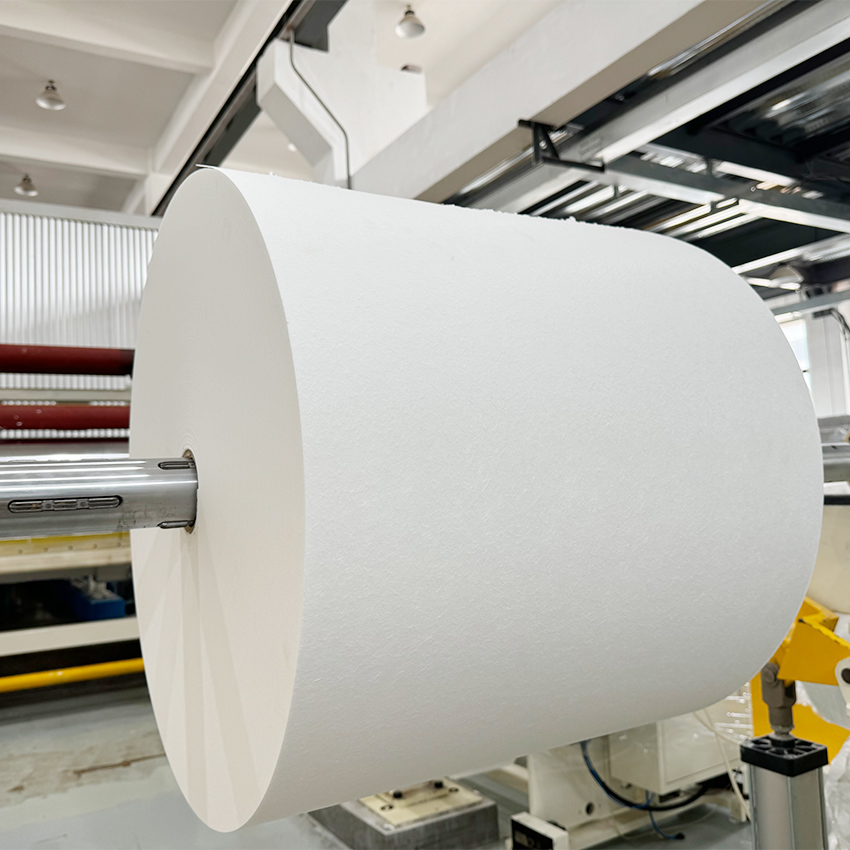
Manufacturers build true thermal endurance at the microscopic level. We rely on highly engineered raw materials. Borosilicate micro-glass forms the structural backbone of this media. This specific chemical composition achieves strict H13 filtration efficiency. It also delivers incredible thermal stability. The glass fibers do not melt. They do not ignite under extreme thermal stress. They maintain their precise internal spacing to trap sub-micron particles. This microscopic labyrinth captures 99.95% of airborne contaminants safely. You can trust H13 glass fiber paper to perform consistently.
The binder system determines the actual operational temperature limit. Basic filters use cheap organic binders. High-temperature applications demand completely different chemistry. Engineers transition to advanced silicone or proprietary inorganic binders. These specialized chemical binders withstand continuous operations above 250°C. They hold the borosilicate fibers together firmly. Inorganic binders offer the highest heat resistance currently available. They prevent the paper from crumbling during aggressive thermal cycling. Silicone binders offer slight flexibility. Ceramic-based binders offer absolute rigidity.
However, you must understand the standard "burn-in" reality. Even the highest-quality media undergoes an initial off-gassing phase. The binder cures during its very first exposure to high heat. This creates a small amount of harmless smoke or vapor. You cannot skip this necessary curing process. Facilities must run a controlled initial heating cycle. This procedure cures the binder safely.
Follow these standard burn-in steps to ensure safe operation:
Install the fresh filter carefully into the cold oven frame.
Ramp the system temperature slowly to 150°C.
Hold this intermediate temperature for 60 minutes to release initial moisture.
Increase the heat steadily to the final 250°C operating target.
Exhaust all off-gassing fumes entirely outside the cleanroom.
Begin normal sterile production only after all smoke stops.
You need a structured approach to evaluate these specialty filters. Not all media performs equally under intense stress. You must look far beyond basic marketing claims. Evaluating your high temperature filter media means checking specific technical parameters.
First, differentiate between continuous temperature ratings and peak spikes. Continuous operating temperature defines everyday stable performance. Most premium media handles 250°C continuously. Some industrial processes experience brief temperature spikes. These unexpected spikes might hit 350°C for short durations. Make sure your chosen media survives these sudden spikes. Repeated thermal shock weakens inferior materials quickly. The glass fibers fracture under sudden expansion.
Next, validate the filtration efficiency strictly. Room temperature tests do not prove high-heat performance. Confirm strict EN 1822 compliance directly. The media must achieve ≥99.95% at the Most Penetrating Particle Size (MPPS). It must maintain this rating at full operating temperature. The heat alters the air density. This changes how particles move through the fibers. Always ask manufacturers for actual hot-test validation data.
Pressure drop presents a significant engineering trade-off. Dense H13 media creates higher air resistance naturally. This strains your HVAC system fans. You must balance filtration efficiency against motor strain. A typical initial pressure drop hovers around 250 Pascals (Pa). Deep-pleat internal designs help lower this resistance. Higher pressure drops require stronger blower motors. Calibrate your system fans accordingly. Monitor the pressure drop daily.
Tensile strength prevents catastrophic media tearing. We measure paper strength in two separate directions. Machine Direction (MD) indicates lengthwise strength. Cross Direction (CD) indicates widthwise strength. Deep-pleating puts immense physical stress on the paper. High-velocity airflow adds constant pushing force during operation. If MD/CD tensile strength is low, the media rips. A torn filter provides absolutely zero protection.
Evaluation Criteria | Standard HEPA Media | High Temperature H13 Media |
|---|---|---|
Continuous Temp Limit | Up to 80°C (176°F) | 250°C to 350°C (482°F - 662°F) |
Binder Chemistry | Acrylic / Latex (Organic) | Silicone / Ceramic (Inorganic) |
Tensile Strength Focus | Standard MD/CD | Reinforced MD/CD to prevent thermal ripping |
Efficiency Validation | Tested at room temperature only | Tested rigorously at peak operating temperatures |
Different heavy industries face unique thermal filtration challenges. Compliance standards dictate highly strict air requirements. You cannot use a generic approach here.
Pharmaceutical depyrogenation tunnels demand absolute perfection. Facilities use these heated tunnels to sterilize glass drug vials. The FDA and GMP guidelines enforce rigorous airborne particle limits. Zero particle shedding is absolutely critical. Vials must remain perfectly sterile before liquid filling. Any shed glass fibers contaminate the final drug product. This triggers massive regulatory recalls. The high-heat media ensures a safe, sterile air blanket covers the vials. We rely on premium cleanroom filter paper to maintain this pristine environment constantly.
Semiconductor manufacturing requires equally stringent atmospheric controls. Cleanroom ovens bake highly sensitive silicon wafers. Molecular contamination destroys semiconductor yields instantly. Normal binders off-gas volatile organic compounds. These harmful vapors coat the wafers and ruin electrical circuits. Semiconductor facilities need ultra-low outgassing materials. Inorganic binders solve this molecular contamination threat completely. The media cures fully and stops emitting any chemical vapors.
The automotive and aerospace sectors also rely heavily on this technology. High-temp drying lines cure specialized automotive paints. Paint finish quality relies on absolute particle control. A single microscopic dust speck ruins a luxury car finish. Aerospace engine parts require baked-on ceramic coatings. These baking ovens generate intense heat. We deploy robust industrial air filtration solutions here. The heavy-duty media handles intense oven environments reliably. It protects the visual and structural integrity of expensive industrial coatings.
Buying the right media only solves half the problem. Installation and integration carry significant operational risks. You must handle these advanced materials carefully. Many facilities destroy perfect filters during improper installation.
High-temp glass fiber media is incredibly fragile. Extreme heat bakes all ambient moisture out of the fibers. This process makes the paper highly brittle over time. Even brand new rolls require specialized packaging and transport. Never drop or crush the filter boxes. Installation requires gentle handling by trained cleanroom technicians. Rough handling creates microscopic tears in the paper. These invisible tears compromise the entire cleanroom rating. Airflow will rip a micro-tear into a massive hole.
Compatibility between surrounding components determines overall success. The best heat-resisting H13 filter paper is utterly useless if surrounding components fail. You must pair the media with heavy-duty frames. You need specialized silicone sealants rated for 300°C. Fiberglass gaskets must seal the frame tightly against the housing. Substandard rubber gaskets harden and crack under extreme heat. A cracked gasket allows dirty air to bypass the pristine filter media.
You must evaluate filter manufacturers ruthlessly. Do not accept basic glossy product brochures. Use a strict checklist to shortlist your suppliers objectively.
Request batch-specific test reports: Ensure they test every single production run for efficiency and pressure drop.
Verify in-house testing capabilities: Check if they own actual high-temperature test rigs. Avoid suppliers using only room-temperature wind tunnels.
Demand ISO/EN 1822 certifications: Do not accept vague marketing claims. Look for official third-party compliance certificates.
Ask for similar thermal references: Request specific case studies from clients running identical 250°C to 350°C oven environments.
Review packaging protocols: Confirm they use reinforced crating. This prevents devastating media damage during global shipping.
To further simplify troubleshooting, consult the chart below regarding common implementation failures. Recognizing these symptoms early prevents catastrophic cleanroom downtime.
Observed Symptom | Probable Root Cause | Required Corrective Action |
|---|---|---|
Visible smoke in cleanroom | Incomplete binder off-gassing | Run a complete burn-in cycle and exhaust air externally. |
Sudden drop in pressure resistance | Media tearing or frame bypass leak | Inspect media for cracks. Replace hardened housing gaskets. |
Failed particle count test | Thermal degradation of organic binder | Upgrade to inorganic or specialized silicone binder media. |
Specifying high-temp H13 media remains an exercise in strict risk mitigation. Facilities simply cannot afford unexpected cleanroom shutdowns. You must balance extreme thermal endurance with stringent filtration efficiency carefully. We explored the severe dangers of binder off-gassing. We reviewed the critical importance of MD/CD tensile strength. We also highlighted strict industry compliance needs across different sectors. Ignorance of these precise factors leads to catastrophic contamination.
You should audit your current high-temp filter lifecycle immediately. Check your typical maintenance schedules and historical failure rates. Request detailed technical data sheets from your current material suppliers. Compare their stated specs against the operational temperatures you actually run daily. Finally, consult directly with a qualified application engineer. They can match advanced media specifications to your exact oven conditions. Take decisive action today. Secure your high-heat processes against airborne threats.
A: The limit depends entirely on the binder and fiber construction. Standard high-temperature media typically operates safely up to 250°C (480°F). Manufacturers engineer ultra-high-temperature variants to withstand up to 350°C (660°F). Always verify continuous versus peak temperature ratings before installation.
A: Yes. You must follow a standard pre-installation protocol. Ramp up the temperature gradually in a controlled environment. This allows the safe off-gassing of initial binder volatiles. Complete this curing phase before starting normal sterile production runs.
A: The specialized binders and denser glass fibers slightly increase initial airflow resistance. Expect a higher baseline pressure drop. Facility engineers must calibrate system fans to handle this extra resistance without losing crucial cleanroom airflow volume.
A: You can, but it is unnecessary and highly cost-prohibitive. Engineers strictly design this media for industrial ovens, depyrogenation tunnels, and high-heat exhaust processes. Standard commercial HVAC systems should use conventional HEPA filters to save energy.


