
English


T: +86-572-6200777
Mr. Xin: +86-17357227212
Mr. Xin: +86-17357227212
Mr.Li: +86-13706256441
Building 31, Tianneng Chain Innovation Industrial Park, Meishan Town, Changxing County, Huzhou City, Zhejiang Province

Views: 0 Author: Site Editor Publish Time: 2026-06-20 Origin: Site


Inadequate hydraulic filtration carries a massive hidden cost for industrial operations. Premature component wear, unplanned downtime, and degraded fluid life rapidly destroy maintenance budgets. Legacy cellulose media might seem cheap initially. However, modern high-pressure systems demand superior oil cleanliness control to function properly. Heavy machinery relies on incredibly precise tolerances. Silt-sized particles easily bridge these tight clearances. This friction inevitably causes catastrophic pump or valve failures. Our guide exists to solve this exact problem safely. We provide engineers and procurement teams a practical, evidence-based framework. You will learn how to evaluate and select the correct hydraulic oil filter paper for your unique applications. We focus heavily on micro-glass synthetic options. We will explore system demands, exact micron ratings, and verifiable performance metrics. This ensures you protect your critical hydraulic investments reliably.
Material matters: Upgrading to glass fiber oil filter paper offers measurable ROI through higher dirt-holding capacity and longer fluid life compared to standard cellulose.
Micron matching is critical: Selecting between a 10 micron filter paper and a 30 micron filter paper depends entirely on component sensitivity (e.g., servo valves vs. gear pumps) and system pressure.
Look beyond the micron: True evaluation requires verifying the Beta ratio (efficiency) under ISO 16889 standards, not just the nominal micron rating.
Beware the pressure drop: Implementing finer filtration requires assessing system pressure thresholds, especially during cold-starts, to prevent filter bypass.
Standard cellulose media suffers from several severe physical limitations. Manufacturers make these traditional filters from natural wood pulp. This organic origin causes highly inconsistent pore sizes across the sheet. Large particles sometimes pass right through the loose fiber gaps. Furthermore, cellulose absorbs water rapidly from the environment. Moisture causes the paper structure to swell significantly. This swelling chokes off fluid flow and increases internal pressure. Rapid degradation under high dynamic pressures frequently leads to media migration. Torn fibers detach and travel directly into your sensitive hydraulic components.
Synthetic microglass structures provide an elegant, engineered solution. Manufacturers spin these inorganic glass fibers tightly and uniformly. You get consistent, predictable porosity across the entire surface area. Under a microscope, glass fibers appear perfectly cylindrical. This smooth geometry guarantees lower flow resistance. The hydraulic oil moves freely while the matrix traps dangerous particles efficiently.
Upgrading to premium synthetic media significantly improves your baseline system health. It achieves far stricter ISO 4406 cleanliness codes consistently. Finer filtration removes abrasive silt before it causes harm. This superior capture rate essentially doubles or triples your hydraulic fluid lifespan. The filter elements themselves also last much longer due to depth-loading characteristics.
We must acknowledge the initial purchase expense honestly. Upfront unit costs are undeniably higher for synthetic glass fiber. However, the operational economics heavily favor this technological upgrade. You experience drastically reduced labor requirements over the year. Maintenance intervals extend safely without jeopardizing equipment. Fewer filter changes mean less system exposure to environmental airborne dirt. Overall operational uptime climbs sharply. Enhanced component longevity offsets the initial purchase price rapidly.
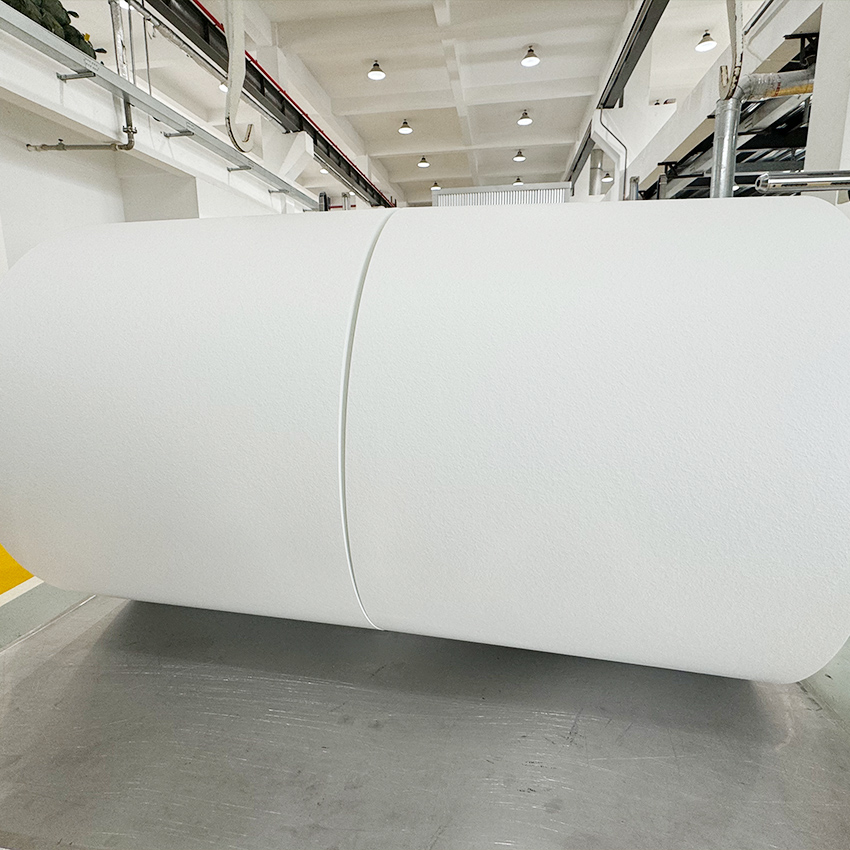
Engineers typically specify a 10 micron filter paper for highly sensitive mechanical applications. You will see these utilized heavily in high-pressure systems. Proportional directional control valves demand this exact precision. Sensitive servo-control hydraulics also require extremely clean fluid to prevent stiction. The primary objective involves capturing tiny silt-sized particles. These nearly invisible contaminants easily cause abrasive wear in tight-clearance components. Silt effectively acts like a fine lapping compound inside a hydraulic pump.
However, you must observe a vital system caveat. Finer media inherently requires higher structural integrity. It must withstand aggressive pressure differentials across the pleated element. A 10-micron element also fills up much faster than coarser options. If you fail to pre-filter bulk system contamination, this fine element blinds over quickly. Premature plugging triggers safety bypass modes. Once bypassed, dirty oil circulates freely, completely defeating the purpose of the premium filter.
Conversely, a 30 micron filter paper suits far less delicate machinery applications. Low-pressure return lines often use this broader rating. Heavy-duty mobile equipment handles 30-micron filtration quite well. Large, robust gear pumps tolerate this level of particulate. Many complex systems utilize it as a dedicated pre-filter. It works excellently as a first-stage suction strainer. The main objective involves bulk contaminant removal efficiently. You aim to prevent catastrophic debris from entering the main system reservoir.
There is a notable performance limitation here. Coarse media remains highly insufficient as a standalone solution for modern circuits. Highly sensitive hydraulic components require much finer protection today. A 30-micron rating simply lets too much damaging silt pass through. You usually pair it downstream with finer, absolute-rated pressure filters to guarantee safety.
Evaluating your hydraulic filtration media requires looking far beyond basic marketing labels. You must understand the underlying engineering metrics.
First, examine the Beta ratio closely. Nominal ratings are highly misleading in industrial filtration. A nominal rating merely means the filter captures "most" particles of a certain size. It guarantees no specific performance threshold. Instruct procurement buyers to demand absolute ratings always. You need verified Beta stability data. For example, a Beta_10(c) ≥ 1000 rating ensures 99.9% capture efficiency. The filter successfully removes 999 out of every 1000 particles measuring 10 microns.
Second, review the Dirt-Holding Capacity (DHC). DHC defines the exact volume of contaminant the media retains safely. It measures this volume right before reaching the terminal pressure drop. Multi-layered glass fiber excels spectacularly in this category. The graded-density depth matrix traps various particle sizes simultaneously. Large particles catch on the outer layers. Smaller particles penetrate deeper before capture. This prevents rapid surface blinding.
Third, consider the collapse burst pressure rating. Extreme system pressure spikes happen frequently during operation. The filter media needs exceptionally strong structural backing. Look for heavy wire mesh or robust epoxy resin layers. These backing layers prevent catastrophic tearing. Without proper backing, media migration occurs instantly. Torn filter pieces will contaminate your entire circuit, causing severe secondary damage.
Finally, verify chemical fluid compatibility. Synthetic glass fibers use specific binder resins to hold their shape. Ensure these resins suit your specific hydraulic fluid perfectly. Mineral-based oils and synthetic fire-resistant fluids react quite differently. Incompatible resins dissolve quickly, destroying the filter element from within.
Hydraulic Filter Media Capability Comparison | ||
Evaluation Metric | Standard Cellulose (Paper) | Premium Micro-Glass Fiber |
|---|---|---|
Beta Ratio Consistency | Low (Fluctuates widely during use) | High (Absolute ratings easily achievable) |
Dirt-Holding Capacity (DHC) | Low (Prone to rapid surface loading) | High (Deep volume loading matrix) |
Moisture Tolerance | Poor (Swells quickly, restricts fluid flow) | Excellent (Inorganic material, zero swelling) |
Collapse Resistance | Weak (Highly prone to pressure tearing) | Strong (Reinforced by wire/epoxy backing) |
Upgrading your hydraulic system requires careful engineering calculations beforehand. You cannot simply install finer elements blindly and expect success.
The cold-start pressure drop represents a massive operational risk. High-viscosity cold fluid behaves much like thick syrup. Forcing cold oil through fine synthetic glass media creates severe flow restriction immediately. We must calculate the differential pressure closely. High restriction triggers the filter bypass valve automatically. The system then runs temporarily unfiltered. Dirty oil floods your sensitive components until the fluid warms up to operating temperature.
Retrofitting existing setups demands thorough housing compatibility checks. Switching from cellulose to synthetic glass impacts element dimensions slightly. Check all internal seal materials thoroughly. Ensure existing O-rings tolerate your specific fluid chemistry. The new filter element must seat perfectly inside the bowl. A loose seal allows unfiltered fluid to bypass the media entirely.
Flow rate restrictions demand accurate surface area calculations. Finer microscopic pores restrict fluid flow naturally. You must calculate the exact surface area required for your housing. This ensures you maintain the necessary Gallons Per Minute (GPM). Starving the hydraulic pump causes immediate cavitation. Cavitation destroys expensive hydraulic pumps in mere minutes. Proper pleat depth and pleat count matter immensely here.
Sourcing reliable materials requires strict vendor vetting protocols. You must ask the right technical questions early. Do not rely on glossy marketing brochures.
Demand Required Documentation: Instruct buyers to request official ISO 16889 Multi-pass test reports. These Technical Data Sheets reveal true performance capabilities. You want hard evidence of Beta stability across the element's entire lifespan. Accept no substitutes for standardized testing data.
Evaluate Supply Chain & Customization: Assess vendors carefully on their manufacturing agility. Do they provide custom roll slitting? Can they alter specific basis weights upon request? Consistent batch-to-batch quality control ensures predictable filtration performance. Poor quality control ruins expensive hydraulic circuits rapidly.
Mandate Pilot Testing: Never deploy new media blindly across an entire industrial fleet. We recommend initiating a strict fluid analysis program first. Use laser particle counting equipment. Take baseline oil samples before changing filters. Deploy the new element and sample again after a week. Validate actual field performance against your baseline data directly.
Real-world field validation prevents incredibly costly maintenance mistakes. Reputable vendors should welcome this rigorous testing phase enthusiastically.
Selecting the ideal filter media involves navigating careful engineering compromises. You must balance capture efficiency, flow restriction, and contaminant retention continually. Standard cellulose works adequately for capturing basic bulk debris. However, synthetic micro-glass fibers protect modern tight-tolerance components vastly better.
We advise prioritizing verified absolute Beta ratios above all else. System-matched micron ratings matter far more than raw material costs. Do not sacrifice system reliability to save pennies on replacement filters. Decreased labor demands and extended equipment life cover the price difference easily.
Take immediate action to protect your heavy equipment today. Request comprehensive technical spec sheets from your supplier. Order a physical material sample to evaluate its structural integrity firsthand. Consult closely with a certified filtration engineer to map your specific ISO cleanliness code targets accurately.
A: Nominal is just an average rating. Manufacturers often use it as a marketing-driven label indicating the filter captures most particles. Absolute ratings are strictly scientific. An absolute rating means the filter captures at least 98.6% (Beta 75) or higher of particles at that specific micron size consistently under standardized testing.
A: Not always. Finer microglass restricts flow much more than coarse cellulose. You must verify your existing housing and system pressure can handle the increased differential pressure. If you skip this step, the high pressure might trigger the bypass valve, leading to continuous circulation of unfiltered oil.
A: No. Glass fiber is an inherently inorganic material. It does not swell, warp, or degrade in the presence of water. This synthetic material maintains its exact structural integrity and precise pore size indefinitely. Traditional paper cellulose swells quickly when wet, restricting fluid flow and causing dangerous pressure spikes.


